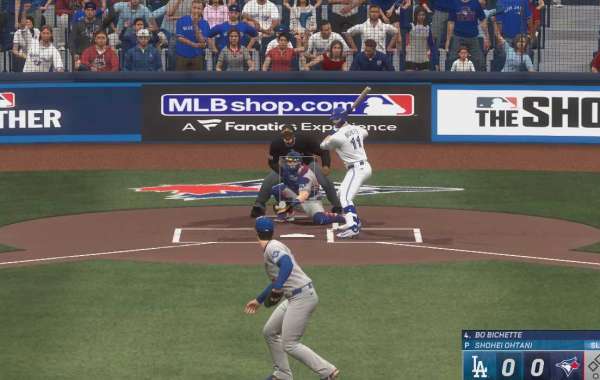
In MLB The Show 26, one of the most exciting aspects of the game is the head-to-head duels between hitters and pitchers. The intensity of these matchups can make or break your game, and understanding how to approach them is key to success. Whether you're a seasoned player or new to the series, this guide will help you get the most out of these intense moments.
What Makes a Good Hitter vs Pitcher Duel?
A hitter vs pitcher duel is essentially a battle of skill and strategy. As a hitter, you're looking to time your swings correctly, recognize pitches, and exploit a pitcher’s weaknesses. On the other hand, the pitcher is trying to mix up their pitch selection, fool the batter, and avoid giving up hits or runs. In MLB The Show 26, the way these duels play out is influenced by several factors, including player stats, the pitcher's repertoire, and how well you manage pitch counts.
In general, a good duel feels balanced: the batter has chances to attack, but the pitcher has ways to keep the batter off balance. Most players focus heavily on the pitcher's tendencies—if you know how they usually pitch in certain situations, you can anticipate and prepare better.
How Do Player Stats Impact Hitter vs Pitcher Duels?
Player stats are crucial in shaping these duels. Each batter and pitcher in MLB The Show 26 has a variety of attributes that determine their performance. A batter with high contact and power stats is more likely to hit the ball hard, while a pitcher with high velocity and control stats is better equipped to dominate at the mound.
For hitters, stats like Contact and Power come into play. The higher the contact, the easier it is for the batter to make solid contact with the ball, especially against pitchers with high control or velocity. Power, on the other hand, is key when facing pitchers with weaker control or breaking balls that are easier to hit.
For pitchers, Velocity, Control, and Break are the most important stats. A pitcher with high velocity can blow fastballs by batters, especially if the batter is not prepared. Control allows the pitcher to place pitches where they want, minimizing the batter’s chances to hit the ball hard. Break affects how much movement the pitcher’s off-speed pitches, like curveballs and sliders, have. When combined with velocity, pitchers who can manipulate the break of their pitches usually dominate hitters who struggle with off-speed stuff.
What Are Common Pitching Strategies to Win Duels?
Pitching strategies vary widely depending on your pitcher and the batter at the plate. However, there are some strategies that most pitchers rely on in hitter vs pitcher duels:
Mixing pitches: Most pitchers don’t just throw fastballs all game. Using a variety of pitches—fastballs, sliders, curveballs, changeups—keeps batters guessing. The key is to make sure you’re not predictable. Most players fail to mix up their pitches enough, making it easier for the batter to figure out what's coming next.
Pitch location: Placing pitches in the right spots is crucial. A fastball up and in or a slider low and away can make all the difference. You should always try to throw pitches that force the batter to swing at pitches outside their comfort zone.
Pitch sequencing: Good pitchers know how to set up batters. For example, you can start a batter off with a fastball, follow it up with a curveball, and then finish with a high fastball. This approach keeps the batter off-balance and makes it more difficult for them to anticipate your next move.
In MLB The Show 26, pitch sequencing is vital. A well-timed changeup or breaking ball after a fastball can throw off a batter’s rhythm, and pitchers who know when to throw a pitch to “set up” the next one usually have an edge in these duels.
How Can Hitters Prepare for a Duel?
Hitting in MLB The Show 26 is more than just swinging at the first pitch. Batters need to understand the pitcher’s tendencies and plan their approach.
Recognizing pitches: One of the most critical skills for a batter is pitch recognition. Batters need to be able to tell the difference between a fastball, slider, or curveball the moment it leaves the pitcher’s hand. This becomes easier over time as you get used to the pitcher’s release point and pitching style.
Anticipating pitch locations: Batters can gain a huge advantage by predicting where the pitch is likely to go. Most players find success by setting up their swing to be ready for a specific pitch location—high, low, inside, or outside.
Timing your swing: Timing is everything. A fastball requires a different swing speed than an off-speed pitch. Most batters try to adjust their timing by watching the pitcher’s windup and anticipating the pitch’s release.
How Do Situations Like Pitch Counts and Fatigue Affect Duels?
In MLB The Show 26, the pitcher’s stamina and pitch count can have a big impact on how a duel plays out. If a pitcher is nearing their limit in terms of pitches thrown, their performance might start to drop off. This is when hitters have an advantage, as pitchers are more likely to leave pitches in the zone or lose control.
It’s important to monitor pitch counts during the game. Most players will notice that pitchers start to lose effectiveness after a certain number of pitches, especially if they’re throwing a lot of off-speed pitches. If you’re facing a tired pitcher, you should adjust your strategy to be more aggressive, looking for pitches you can hit hard.
How Can I Make the Most of Hitter vs Pitcher Duels?
Making the most of these duels requires focus and patience. In general, you’ll want to:
Stay patient: Don’t swing at every pitch, especially early in the count. A well-timed walk can be just as valuable as a base hit.
Take advantage of mistakes: When pitchers leave a pitch in the sweet spot, make sure you capitalize. Whether it’s a hanging curveball or a mistake fastball, don’t let these opportunities slip away.
Stay consistent: Build up a rhythm and stick to your approach. If you’re getting good swings on fastballs but struggling against breaking balls, adjust your timing and focus on tracking those pitches better.
Finally, if you find yourself needing more resources to improve your roster or get better equipment, the best place to buy MLB The Show 26 stubs is something worth considering for faster progression.
Hitter vs pitcher duels in MLB The Show 26 can be incredibly rewarding when you understand the mechanics at play. By focusing on stats, pitch selection, timing, and strategy, you can improve your chances of coming out on top in these intense showdowns. Whether you're facing off against a pitcher with high velocity or one with nasty off-speed stuff, every duel is a chance to sharpen your skills and outsmart your opponent.