
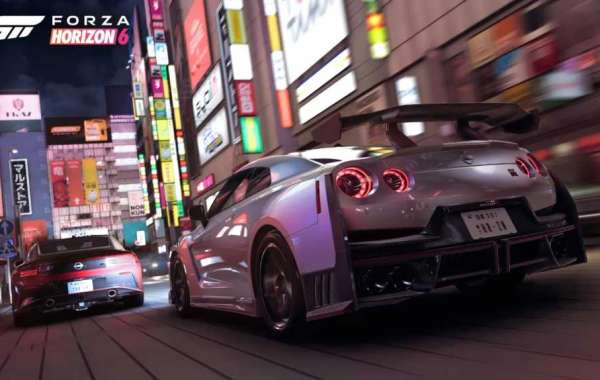
There's a different kind of fun in Forza Horizon 6 that doesn't get talked about enough. Not every garage project has to be about adding power, chasing higher PI, or building the quickest thing on the map. Sometimes it's more entertaining to take a car back down a notch and make it look like the version nobody would normally pick. That kind of build has its own charm, especially when you're already sitting on plenty of FH6 Credits and feel like trying something that's a bit less obvious. A good downgrade isn't just about making a car slower, either. It's about getting the shape, the stance, and the everyday-road-car vibe right. Some cars in Horizon are perfect for that. Others really aren't worth touching.
Starter Cars That Actually Work
The Toyota Celica GT-Four ST205 is one of the easiest places to begin. A lot of players get this car early, so there's less pressure if you just want to experiment a little. The first thing to do is strip away the stuff that makes it look too busy. Resetting it back toward stock helps straight away. Once that's done, swap to a simpler front bumper, remove the rear wing, and cover the bonnet vent if the game lets you. You can't do much about the rear bumper or that oversized exhaust, so don't overthink it. Just work around those bits. Silver suits this build well because it gives the Celica that plain, dealer-lot feel. Then there's the 2003 Toyota Celica SS-I, which is a different case. It already looks like someone got carried away with catalogue parts, so toning it down feels oddly satisfying. A base-style front bumper helps a lot, and removing the spoiler, side skirts, and rear bumper extras makes the whole car settle down visually. You don't need to mess with the bonnet or wheels much. Blue works nicely here, mostly because it separates it from the older Celica and still feels believable as a factory colour.
German Cars That Clean Up Well
The Audi RS 5 is one of those cars that can be made much more understated without too much effort. The trick is to stop thinking of it as an RS model and start treating it like an A5 project. Change the front bumper to the standard A5 style and sort the rear exhaust into a cleaner twin-exit setup, one on each side. That alone changes the character of the car more than you'd expect. The side skirts stay, which isn't ideal, but most people won't notice unless they're staring at the thing in photo mode. The factory wheels are already close enough, so leaving them alone makes sense. Red is a smart colour pick because it softens the badges and makes the car feel less obviously high-spec. The 2011 Audi RS 3 Sportback needs a slightly different approach. It fights you a bit more. Some of the RS-specific details can't be removed, and the badges are part of that problem. Still, you can get surprisingly close to a regular A3 S line look by changing the side skirts, raising the ride height a touch with rally suspension, and choosing a custom silver paint that visually blends in the bright trim pieces. The wheels are worth changing too. That flashy diamond-cut finish gives the game away, so repainting them in a simple metallic white or silver does a lot of heavy lifting.
The Oddball Van Build
The 2011 Ford Transit SuperSportVan is probably the funniest downgrade on this list, and maybe the most rewarding. It starts from such a strange place. It's a van trying very hard not to be a van, which is exactly why dialing it back works so well. Swap the front and rear bumpers to the plainest options available, keep the spoiler if there's no better alternative, and fit standard-looking exhaust tips. After that, the wheels matter more than you might think. If you can get something close to basic Transit steelies, the whole build suddenly makes sense. White is the obvious paint choice, and honestly it's still the best one. Nothing says "working van" like a white Transit with zero attitude. If the decals are still hanging around, get rid of them. And if the game won't fully cooperate, covering the flashier parts with a simple windscreen banner or cleaner livery trick can help tone it all down. It's not subtle, exactly, but it gets the van away from that weird concept-car territory.
Small Hatchbacks With Proper Budget-Car Energy
The 1991 Peugeot 205 Rallye doesn't need a dramatic overhaul because it already has a fairly simple shape, but that's what makes it such a good candidate. Instead of trying to transform it, you're really just nudging it toward a cheaper trim level. White paint is the starting point. Then black out the steel wheels and both bumpers, ideally with a matte-style finish so it looks closer to old plastic trim rather than fresh paint. That little change gives the car a proper bargain-spec look, like something you'd see parked outside a corner shop in the early 1990s. There's also a more playful route with this one if you fancy doing something unusual. A few players like to turn it into a van-style mock-up using the livery editor, covering the rear side windows and adjusting the back to create a panel-van effect. It's a bit silly, sure, but in Horizon that's half the fun. Builds like this work because they're not trying too hard. They feel a bit rough round the edges, and that actually helps.
Final Thoughts
Downgrading cars in Forza Horizon 6 isn't really about being efficient. It's about seeing the game's car list from a different angle and having a garage that doesn't look like everyone else's. Some models respond well to a simple de-tune and a cleaner body setup, while others need a bit more patience before they stop looking like dressed-down performance cars. The Celicas are easy wins, the Audis can be convincing if you're careful, and the Transit is just great fun because of how absurd the starting point is. If you're into these kinds of offbeat projects, or you're looking for faster ways to build out more experiments alongside FH6 Boosting for sale, this side of the game can end up being far more entertaining than another predictable maxed-out tune.