Efficient material movement depends on more than the conveyor frame or drive system, because the components that directly support products can influence stability, handling, and maintenance. When selecting Conveyor Rollers, manufacturers should consider material compatibility, surface characteristics, structural construction, rotational behavior, installation, and the working environment. Zhejiang Province, Ruian Baixiao Machinery Co., Ltd. develops roller-related machinery products for industrial applications, making these factors relevant to businesses evaluating conveyor components.
Material selection is one of the first considerations. Conveyor rollers can be constructed using different metals, polymers, rubber-based materials, or combinations of materials depending on their intended application. Metal structures are often considered when rigidity and durability are important, while specialized surfaces may be selected when the roller needs to interact gently with products or provide particular friction characteristics.
The conveyed product should guide the material choice. Boxes, packages, containers, flexible products, sheets, and other materials can behave differently during transportation. Heavy or rigid products may place different demands on the roller structure than delicate surfaces or lightweight materials. Understanding the product's shape, surface condition, and handling requirements can help buyers avoid choosing components based solely on general specifications.
Surface design is another important consideration. The roller surface directly contacts the transported material, so its texture and finish can influence movement. A suitable surface can support stable transportation while reducing unnecessary friction, marking, or slipping. Depending on the environment, buyers may also consider resistance to abrasion, moisture, dust, or chemical exposure.
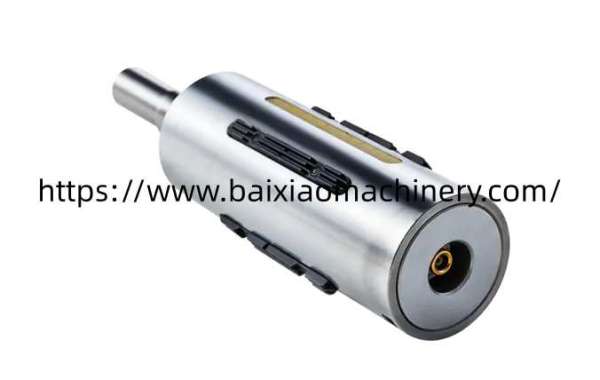
The internal structure plays an equally important role. A roller generally includes a rotating body, shaft, bearings, and supporting components. These elements must work together to maintain stable rotation and support the transported load. Proper alignment between the roller and conveyor frame can help reduce unwanted movement and contribute to smoother operation.
Before purchasing, businesses should consider the role of the conveyor within the overall production process. Some systems are designed for general transportation, while others are integrated with sorting, packaging, inspection, accumulation, or processing operations. The roller should therefore be selected according to the conveyor's function and the type of material movement required.
The surrounding environment can also affect roller selection. Warehouses, factories, food-related production areas, outdoor facilities, and specialized industrial environments may expose components to different conditions. Dust, moisture, temperature changes, cleaning processes, and contact with industrial substances can influence the appropriate roller material and surface treatment.
Functional technology is closely related to rotational efficiency. Bearings provide support for rotation, while the shaft connects the roller to the conveyor structure. Appropriate alignment helps the roller maintain stable movement. Sealing and protective features may also be considered where contamination could affect internal components. Manufacturing accuracy contributes to consistent rotation and reliable interaction with the conveyor system.
Maintenance should be considered from the beginning rather than after installation. Conveyor rollers operate continuously in many industrial environments and may collect dust, fibers, packaging residue, or other contaminants. Regular inspection can help identify surface wear, bearing issues, unusual noise, or changes in rotation. A design that allows convenient access can make maintenance activities easier for technicians.
Cleaning requirements may vary according to the application. Some environments require frequent surface cleaning, while others focus more on removing accumulated dust or debris. The roller's surface material and construction should be compatible with the cleaning methods used in the facility. Following appropriate maintenance guidance can help preserve the condition of the component.
User experience also influences conveyor component selection. Operators and technicians interact with conveyor systems during loading, unloading, inspection, cleaning, adjustment, and maintenance. A practical roller arrangement can make these activities easier by providing clear access and reducing unnecessary complexity around the conveyor structure.
Replacement should also be considered during the design stage. Rollers are wear components in many systems, so technicians may eventually need to inspect or replace them. Accessible mounting arrangements and organized conveyor layouts can reduce service difficulty. A system designed with maintenance in mind can provide a more convenient experience throughout its operating life.
Appearance has a supporting role in industrial conveyor design. Clean surfaces, consistent finishes, organized roller placement, and well-integrated frames can contribute to a professional equipment appearance. For modern factories and automated facilities, visual organization can complement the overall design of the production environment while also making equipment easier to inspect.
Customization may become necessary when standard rollers do not fully match a particular conveyor system. Different products, conveyor structures, environments, and handling processes may require different surface materials, mounting arrangements, shaft configurations, or structural designs. Working with an experienced roller manufacturer can help businesses consider these factors together.
Zhejiang Province, Ruian Baixiao Machinery Co., Ltd. focuses on roller-related machinery products and industrial applications, with attention to material selection, surface construction, structural integration, and practical equipment requirements. For buyers evaluating conveyor components, considering the transported material, conveyor function, operating environment, maintenance access, installation arrangement, and visual design can provide a more complete approach to product selection.
For manufacturers and facility operators, conveyor performance is closely connected with the compatibility of individual components. The right roller should support the transported material while fitting the conveyor structure, maintenance process, and surrounding environment. Zhejiang Province, Ruian Baixiao Machinery Co., Ltd. develops roller-related machinery solutions for industrial applications, with further information about its products and equipment available at https://www.baixiaomachinery.com/.