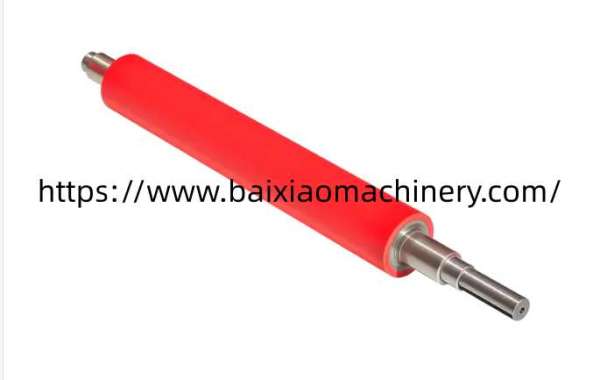
The material used for a pneumatic shaft influences its structural behavior and suitability for different machines. Steel is often selected when rigidity and mechanical strength are important, while aluminum or other engineered materials may be considered when the equipment design places greater emphasis on handling convenience and rotating mass. The shaft body must also work reliably with internal expansion elements, bearings, air passages, and connection components. Baixiao's product information identifies steel as a material used for its pneumatic shaft products and describes precision machining as part of the manufacturing process.
The expansion elements deserve equal attention because they create the connection between the shaft and the roll core. Depending on the design, keys, slats, or other expanding structures can engage the inner surface of a paper tube or material core. The selected structure should correspond with the core condition and the way the roll is handled during production. A suitable contact arrangement can help reduce unwanted movement while allowing the roll to be released efficiently during changeover.
Selection should begin with the complete production process. Buyers should identify whether the shaft will be used for unwinding, rewinding, slitting, coating, laminating, printing, bag making, or paper processing. Different processes place different demands on roll handling, so the shaft should be considered together with the machine frame, drive arrangement, bearings, web path, and core structure. Baixiao lists pneumatic shafts for several of these web-processing applications.
Core compatibility is particularly important. A roll core needs to be held securely enough for stable rotation, but the gripping mechanism should also avoid unnecessary damage to the core. Paper, film, foil, and textile rolls may have different core characteristics and surface conditions. Dust, moisture, previous handling, and winding quality can also influence how the expansion mechanism interacts with the core. Considering these conditions before purchasing can help avoid selecting a shaft based only on its general product category.
Pneumatic technology makes the gripping process more convenient by using controlled air movement to activate internal expansion elements. When air enters the shaft, the expanding components move outward and engage the roll core. Releasing the air allows those elements to retract, making roll removal easier. This approach can reduce repetitive manual tightening and loosening during roll changes and provide a more consistent operating procedure.
The internal construction is therefore an important part of the product. An air-operated shaft can incorporate an airbag, air nozzle, expansion keys or slats, shaft head, and main shaft body. These components need to cooperate smoothly so that expansion and release are controlled. Baixiao describes its pneumatic shafts as consisting of multiple coordinated components and offers several structural approaches for different roll-handling applications.
Different expansion structures can influence how a shaft fits into a machine. Key-bar designs can provide direct contact through expanding keys, while slat-type structures distribute engagement through several elements. Flange and cantilever arrangements can be useful where the machine layout requires particular methods of roll installation. Baixiao's product range includes key-bar, raised-key, slat-type, flange, and single-arm cantilever pneumatic shaft designs.
Pneumatic operation also affects production workflow. A controlled expansion and release process can make roll replacement more organized, particularly when operators frequently change materials. Reducing unnecessary manual adjustment can make the equipment easier to operate and may help simplify the transition between production runs. Baixiao's technical information describes pneumatic shaft operation as a method for supporting quicker roll installation and removal.
User experience begins with how easily an operator can install a roll. The core needs to be positioned correctly, the shaft must engage it securely, and the operating sequence should be straightforward. A well-integrated pneumatic system can reduce the amount of physical adjustment required during this process. Clear access to the air connection and sensible shaft positioning can also make routine operation easier to understand.
Roll removal is equally important. Once a finished roll is ready to leave the machine, the expansion mechanism should release the core without unnecessary resistance. A smooth release process can make changeovers more predictable and reduce physical effort for operators. This is particularly relevant in production environments where material changes form a regular part of the working routine.
Maintenance should be considered before the shaft is installed. Pneumatic systems contain seals, air passages, valves, expansion components, and connection points that may require periodic inspection. Dust and material residue can accumulate around mechanical components in industrial environments. Baixiao emphasizes standardized components and convenient disassembly as features that can support maintenance of its pneumatic shaft products.
Air connections also deserve practical attention. A secure connection helps maintain the intended pneumatic action, while worn seals or damaged hoses can affect expansion performance. Accessories such as inflation guns and air nozzles can form part of the operating system and should be compatible with the shaft. Baixiao offers dedicated air-shaft inflation accessories designed to support inflation and deflation during roll handling.
The visual and structural design of the shaft can influence the overall appearance of the machine. A clean cylindrical body, orderly expansion elements, carefully finished shaft ends, and logical pneumatic connections can contribute to a professional equipment layout. Although appearance is secondary to mechanical function, organized construction can make inspection and maintenance easier.
Machine integration is another important design consideration. The shaft must cooperate with bearings, frames, drive components, pneumatic connections, and roll-support structures. A product that fits the core but does not correspond with the surrounding machine can create unnecessary installation difficulties. For customized projects, providing drawings, samples, or information about the existing equipment can help a manufacturer develop a more suitable configuration.
Customization can be useful when standard shaft structures do not match a particular production line. Different machines may require specific core-gripping arrangements, shaft ends, mounting structures, or pneumatic connections. Baixiao states that it provides customized pneumatic shaft solutions and supports product development according to customer requirements.
Supplier experience should therefore be evaluated alongside the shaft itself. A manufacturer familiar with air shafts, guide rollers, steel rollers, rubber rollers, and related mechanical components can consider how the different parts interact within a web-processing system. Baixiao's product portfolio covers these categories and serves printing, packaging, plastics, paper, and other coil-processing industries.
Quality control is another consideration during purchasing. Consistency can depend on raw material selection, machining, assembly, pneumatic components, balancing, and final inspection. Baixiao describes an integrated system covering research and development, production, sales, and after-sales service, with precision machining and quality inspection incorporated into its manufacturing process.
For purchasing teams and equipment designers, evaluating material compatibility, core engagement, expansion structure, pneumatic operation, installation, maintenance, operator convenience, and machine integration provides a practical basis for shaft selection. Considering these factors together helps connect the component with the complete roll-handling process rather than treating it as an isolated mechanical part.
Zhejiang Province, Ruian Baixiao Machinery Co., Ltd. focuses on mechanical components used in printing, packaging, plastics, paper, and flexible-material processing equipment. Its product range includes pneumatic shafts, aluminum guide rollers, steel rollers, rubber rollers, slip shafts, and related machinery components, with customized solutions available for different equipment requirements.
For more information about Zhejiang Province, Ruian Baixiao Machinery Co., Ltd., its pneumatic shafts, roll-handling components, rollers, and related mechanical products, visit https://www.baixiaomachinery.com/.