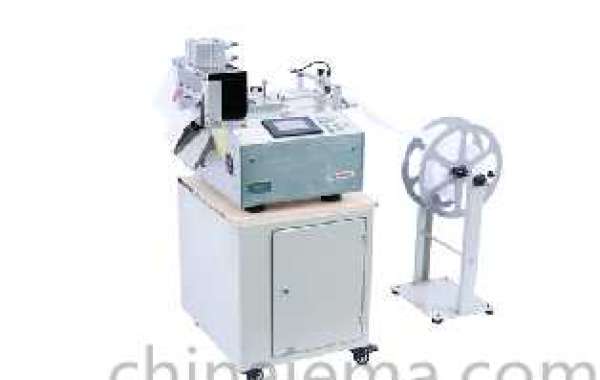
Flexible textile materials require careful handling because their stretch, elasticity, and surface characteristics can affect how they behave during processing. In modern apparel manufacturing, elastic cutting plays an important role in preparing narrow and flexible materials for applications such as waistbands, cuffs, straps, underwear components, sportswear, medical garments, and protective products. Accurate processing helps manufacturers create consistent pieces while supporting efficient downstream sewing and assembly operations.
Elastic materials may be made from polyester, nylon, cotton blends, rubber-based fibers, spandex, or combinations of different textile structures. Their behavior can vary considerably depending on composition and construction. A material may stretch when pulled, contract after tension is released, or shift slightly during feeding. These characteristics mean that cutting equipment must work with the natural behavior of the material rather than treating it like a rigid sheet.
Consistency is particularly important when elastic components are incorporated into fitted garments. If individual pieces differ noticeably in length or shape, later assembly can become more difficult. Sewing operators may need to compensate for inconsistencies, which can increase production time and create variations in the finished product. Controlled cutting helps create a more predictable supply of components for subsequent manufacturing stages.
The influence of accurate processing can also be seen from the consumer's perspective. Elastic components are often responsible for fit, support, movement, and comfort. A waistband that holds its shape properly or a garment component that moves comfortably with the body contributes to a better wearing experience. Although consumers may never see the equipment used to prepare these components, the quality of upstream manufacturing can become part of how a finished garment feels and performs.
Automation provides another advantage for manufacturers handling repetitive production tasks. Manual cutting can be useful for small quantities or highly customized work, but repeated operations can place considerable demands on workers. Automated equipment can take over routine material separation while operators concentrate on feeding materials, monitoring production, checking quality, and responding to changes in production requirements.
Production flexibility is equally important in today's textile industry. Manufacturers may need to process different widths, materials, patterns, and order quantities depending on customer requirements. A practical textile machinery solution should therefore support adaptable workflows instead of being limited to one narrow production scenario. Flexible equipment can make it easier for manufacturers to handle changing product designs while maintaining stable processing quality.
Material efficiency is another factor worth considering. When flexible materials are cut inaccurately, the resulting pieces may need to be rejected or trimmed again. Such rework consumes additional material, labor, and production time. Better process control can help reduce unnecessary waste and improve the utilization of valuable textile materials. For high-volume production, even modest improvements in material efficiency can have a meaningful effect on overall manufacturing performance.
The connection between cutting and later operations should also be considered when selecting machinery. Elastic components may move directly to sewing, bonding, folding, attachment, or assembly. If the cutting process produces consistent pieces, downstream operations can be organized more smoothly. Stable component preparation can reduce interruptions and help production teams maintain a more predictable workflow.
At the same time, operators remain an essential part of automated manufacturing. Machinery should support workers rather than make daily production unnecessarily complicated. Convenient material handling, understandable operation, and reliable processing can make equipment easier to integrate into existing facilities. When routine cutting work becomes more controlled, skilled employees can devote greater attention to inspection, process management, and product quality.
JEMA focuses on practical textile machinery designed to support different stages of modern garment and material processing. By combining appropriate automation with careful material handling, manufacturers can establish a more stable approach to elastic cutting while improving production consistency, reducing repetitive work, and supporting better material utilization. For companies looking to strengthen their textile manufacturing capabilities, a broader range of equipment and production solutions can be explored at https://www.chinajema.com/product/.