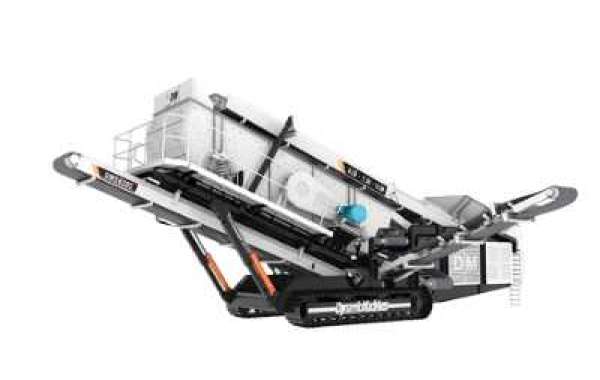
In quarrying, mining, construction, infrastructure, and recycling projects, a Mobile Crusher can provide a practical approach to material reduction when operating conditions or project locations change. Unlike permanently established processing equipment, mobile machinery can be positioned according to site requirements and production plans. This flexibility can be particularly useful for projects involving multiple work areas, temporary construction sites, material recycling, or quarry development. However, effective operation depends on more than mobility alone. Material characteristics, mechanical design, feeding conditions, maintenance, safety, and downstream processing must all be considered when developing a reliable working system.
The properties of incoming material have a direct influence on equipment performance. Natural rock, recycled concrete, asphalt, and mineral materials can differ in hardness, density, abrasiveness, moisture, and fracture behavior. These differences affect how mechanical forces interact with the material and how quickly exposed components may wear. Before selecting equipment, operators should understand the expected feed characteristics and product requirements. This helps establish a more appropriate processing arrangement and reduces the likelihood of operating conditions that place unnecessary stress on mechanical components.
Structural engineering is another important factor. Equipment designed for mobile operation must maintain sufficient stability while remaining practical to transport and position. The frame, crushing mechanism, feeder, discharge system, drive components, and supporting assemblies need to work together under changing loads. Good mechanical integration can help maintain consistent material flow while limiting unnecessary energy losses. Easy access to inspection and service points is also valuable because maintenance efficiency can directly influence equipment availability.
Feeding consistency has a major effect on the stability of material reduction. A controlled feed allows the processing chamber to operate within a more predictable load range. Sudden surges, oversized material, or unsuitable feed can increase mechanical stress and create blockages. Proper upstream preparation can reduce these risks. In recycling applications, removing metal, wood, plastic, and other contaminants before mechanical processing can also protect important components and improve process continuity.
Product requirements should be considered together with feed characteristics. Different construction and infrastructure applications may require different particle sizes and distributions. The processing arrangement should therefore be designed around the intended output rather than simply focusing on the initial reduction stage. Screening, conveying, and controlled material transfer can work alongside the main reduction process to improve classification and reduce unnecessary circulation.
Mobility creates additional planning responsibilities. Before relocating equipment, operators should evaluate access roads, ground conditions, transportation restrictions, working clearances, and site preparation. Once the equipment reaches a new position, stabilization and mechanical inspection should be completed before production resumes. Proper positioning is especially important because uneven ground or inadequate preparation can affect equipment stability and operating safety.
Maintenance should combine scheduled service with regular condition monitoring. Wear components, bearings, belts, fasteners, lubrication points, hydraulic assemblies, and structural connections should be inspected according to operating conditions. Changes in vibration, sound, temperature, material discharge, or energy consumption can sometimes provide early indications of mechanical problems. Identifying these changes promptly can reduce unexpected downtime and help prevent minor faults from developing into major repairs.
Safety needs to be incorporated into both equipment operation and maintenance procedures. Moving components, stored energy, falling material, dust, and restricted access areas can create significant hazards. Guards, emergency stopping systems, safe access routes, warning devices, and effective isolation procedures can help establish appropriate working conditions. Operators should also understand how changes in material properties or feed conditions may influence equipment behavior.
Environmental management is increasingly important in modern material processing. Dust suppression, controlled transfer points, noise management, and efficient material movement can help reduce the environmental impact of industrial operations. Recycling applications can also support better resource utilization by recovering usable material from construction waste and reducing unnecessary disposal. Efficient process planning may further reduce repeated handling and associated energy consumption.
When material properties, equipment structure, feeding, maintenance, safety, and environmental requirements are evaluated together, a Mobile Crusher can become a flexible component of a well-organized processing operation. The most suitable solution depends on the specific project, material characteristics, production workflow, and site conditions. More information about available equipment and processing solutions can be found at https://www.dmcrushers.com/product/stationary-crusher/ when evaluating suitable configurations.