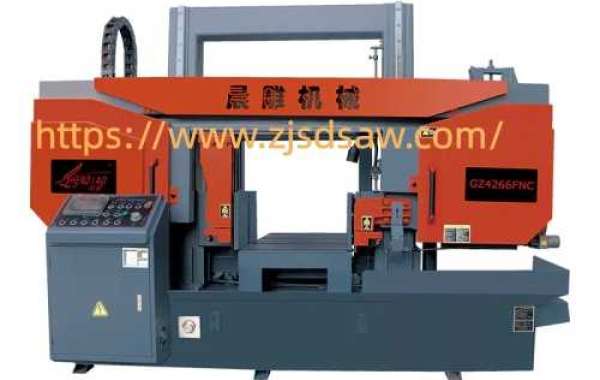
CNC Intelligent Metal Cutting Band Saw Machine selection requires buyers to evaluate more than the initial purchase price. For manufacturers processing metal bars, profiles, pipes, and other industrial materials, the right equipment should match production requirements, available workshop space, operator experience, and future business plans. A structured evaluation helps buyers identify suitable configurations and avoid paying for functions that may not be necessary for their operations.
Before contacting a supplier, buyers should define the materials and dimensions they process regularly. Different metals and workpiece shapes place different demands on sawing equipment. Solid bars, hollow sections, and bundled materials may require different cutting approaches, clamping arrangements, and operating parameters. Preparing a list of common workpiece sizes and material types makes it easier to compare specifications and discuss practical requirements with a manufacturer.
Cutting capacity deserves careful attention. Buyers should check the maximum cutting dimensions, permitted workpiece shapes, and available clamping range. These specifications indicate whether a machine can handle routine orders without frequent adjustments or additional processing steps. If the workshop handles several material sizes, it is also useful to consider how easily the equipment accommodates changing production requirements. Actual cutting samples or application discussions can help confirm whether the proposed configuration suits the intended work.
Control functions are another important consideration. Intelligent control systems can help operators manage operating parameters and organize repetitive tasks. Depending on the configuration, functions may include programmable cutting settings, automatic feeding, operating status displays, and production data monitoring. Buyers should ask which functions are included as standard and which require optional equipment. They should also check whether the interface is understandable for operators and whether training is available during installation.
Automation should be assessed according to real production needs rather than appearance alone. A workshop handling repeated orders may benefit from automatic feeding and programmable settings, while a facility processing varied, small batch orders may place greater value on flexibility and convenient adjustments. Buyers should estimate their usual batch sizes, daily workload, and changeover frequency before selecting an automation package. This approach helps balance equipment capability with practical operating costs.
The quality of the cutting process also depends on factors beyond the control system. Blade selection, tension adjustment, feed rate, workpiece stability, and regular maintenance can all influence the finished result. Buyers should ask about suitable blade specifications for their materials and how the machine supports routine adjustment. It is also helpful to discuss the expected cutting tolerance under defined operating conditions instead of relying on general performance descriptions. Clear technical information makes it easier to establish realistic production expectations.
Maintenance and after sales support deserve attention before an order is placed. Buyers should ask how frequently routine inspections are needed, which consumable parts require replacement, and how spare parts can be obtained. The availability of operating manuals, troubleshooting guidance, remote assistance, and technician support may affect long term equipment management. A supplier that communicates maintenance requirements clearly can help customers prepare their teams and plan service activities with fewer interruptions.
Workshop conditions should be included in the evaluation as well. Available floor space, electrical supply, material loading arrangements, and safe movement around the equipment all influence installation planning. Buyers should confirm the machine dimensions and required operating clearances before arranging delivery. They should also review safety guards, emergency stop functions, operator access, and the training needed for daily use. These checks support a more organized installation and help employees understand the operating procedures.
Cost comparison should cover the complete ownership picture rather than the quoted price alone. Installation, tooling, consumables, energy use, maintenance, operator training, and potential production downtime can contribute to the total expense. Buyers can request a clear quotation that separates standard components from optional functions. Comparing suppliers against the same list of requirements provides a more consistent basis for decision making and reduces the risk of overlooking important items.
As a manufacturer serving industrial metal processing needs, Chendiao encourages buyers to connect equipment specifications with their actual production plans. A clear discussion of material types, workpiece dimensions, target output, automation preferences, and workshop conditions can help narrow down suitable configurations. Buyers evaluating available models can review the product range at https://www.zjsdsaw.com/ and use those requirements to prepare more focused questions before contacting the supplier. Careful preparation helps make the purchasing process more practical and supports equipment choices that align with long term workshop needs.