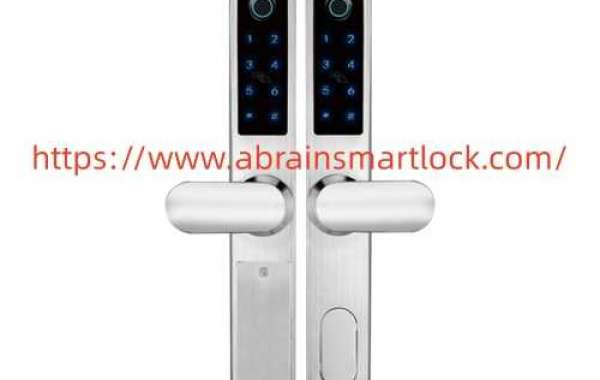
304 Stainless Steel Smart Lock selection has become a consideration for buyers planning outdoor entrances where material properties, access control, and maintenance requirements all matter. Property developers, distributors, contractors, and building managers need to evaluate how a locking product fits the installation environment rather than focusing on appearance alone. Understanding the relationship between stainless steel construction, weather exposure, door compatibility, and electronic functions can help buyers prepare more informed purchasing decisions.
Outdoor doors often experience conditions that differ from indoor entrances. Rain, moisture, airborne dust, temperature fluctuations, and frequent handling can affect hardware over time. Stainless steel is widely used in door fittings because its chromium content helps form a protective surface layer that supports corrosion resistance. Grade 304 is commonly selected for many general applications, although its suitability depends on the actual environment. Coastal locations, swimming pool areas, and sites exposed to certain chemicals may require additional material evaluation because chloride exposure can contribute to corrosion.
Buyers should therefore ask about the material used in the visible housing, internal components, fasteners, and other exposed parts. A stainless steel exterior does not necessarily mean every component uses the same grade. Reviewing material specifications and available documentation can clarify what the product includes. For projects with specific environmental demands, purchasers can discuss the installation conditions with the manufacturer and confirm whether the proposed configuration is appropriate for the site.
Installation compatibility is another important part of the selection process. Before requesting a quotation, measure door thickness, mounting space, existing holes, and the distance between the handle and locking mechanism. Check the door material, opening direction, and frame arrangement as well. Wooden, metal, and composite doors may require different installation methods. When several entrances are involved, recording these measurements for every door helps purchasing teams compare models and reduce avoidable changes during installation.
Electronic access functions should match the daily needs of the building. Fingerprint recognition can support convenient entry for registered users, while keypad access may be useful when temporary codes are required. Card based systems can suit hotels, offices, and shared facilities where access permissions change regularly. Buyers should confirm which methods are available in the chosen model and how administrators manage user credentials. Questions about deleting access rights, adding new users, and responding to lost credentials are particularly relevant to property managers and commercial operators.
Power supply and emergency entry arrangements also deserve attention. Ask which batteries the product uses, how replacement is carried out, and whether low battery notifications are provided. If an external emergency power interface is available, confirm how it works and whether additional equipment is required. Buyers should also review the instructions for restoring normal operation after power depletion. For multi door projects, these details can influence routine maintenance schedules and the resources needed to keep the entrances operating as intended.
Another consideration is the relationship between product specifications and long term maintenance. Outdoor hardware may require periodic cleaning and inspection, depending on its location and exposure. Buyers should follow the manufacturer's cleaning instructions and avoid assuming that every chemical cleaner is suitable for stainless steel surfaces. Harsh chemicals or inappropriate cleaning methods can damage finishes or affect surrounding components. Asking about recommended care procedures before purchasing helps property staff plan maintenance without relying on guesswork.
Project requirements can vary considerably. A private home may prioritize convenient daily entry and a finish that suits the surrounding architecture. A hotel may need manageable access permissions for staff and guests, while an office could require a consistent process for registering employees. Developers and distributors may also consider order quantities, packaging, spare parts, warranty coverage, and product documentation. Evaluating these factors together provides a clearer picture of whether a model fits the intended application and the expected operating arrangements.
For manufacturers and purchasing teams, clear communication can reduce uncertainty before production and installation. Buyers should prepare a checklist covering environmental exposure, material documentation, door measurements, access functions, power arrangements, and service requirements. They can then ask the supplier to confirm relevant specifications in writing. This approach supports practical comparisons between available configurations and helps contractors coordinate product selection with site conditions.
Abrain offers smart locking products for buyers evaluating electronic access solutions for different building applications. When considering a model for an outdoor entrance, purchasers should match its material specifications, access functions, installation dimensions, and care requirements with the conditions at the site. Distributors, property developers, and contractors can review the available product information and prepare specific questions before discussing project needs. Visit https://www.abrainsmartlock.com/ to review the company offerings and identify options for further evaluation.