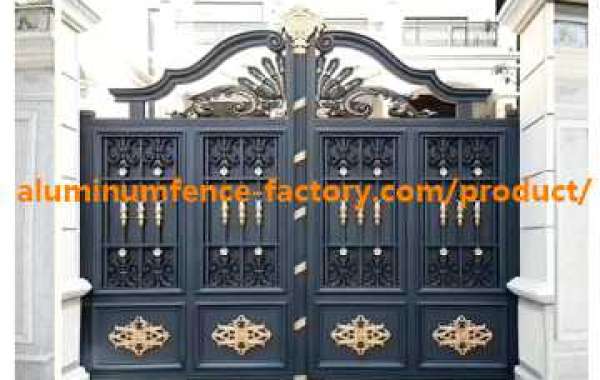
A garden gate connects a property’s outdoor areas while shaping the first impression visitors receive. When planning a new entrance, working with a Garden Gate Supplier can help buyers explore suitable materials, construction styles, finishes, and installation requirements. The right choice depends on more than appearance alone. A gate should fit the surrounding fence, support convenient movement, and complement the way the garden is used, whether it leads to a private courtyard, a landscaped front yard, or a shared outdoor area.
Material selection is an important starting point because a gate remains exposed to changing weather and regular handling. Metal gates are often considered for their structured appearance and compatibility with different fence designs. Aluminum is valued for its relatively lightweight nature and resistance to rust, making it an option for outdoor settings where manageable upkeep matters. Steel can offer a more substantial visual presence, although its protective finish and maintenance requirements deserve attention. Wood brings natural warmth and texture, but it may need more frequent care to address moisture, surface wear, or changes caused by outdoor exposure. Buyers should compare the material itself with its coating, joints, and overall construction rather than judging quality from appearance alone.
Choosing a suitable gate also requires a clear understanding of the property’s layout. Before requesting a quotation, consider the entrance location, surrounding posts, ground conditions, available opening space, and the direction people will approach from. A gate used for frequent pedestrian access may have different priorities from one intended to define a decorative garden boundary. Buyers should also consider whether children, pets, gardening tools, or outdoor equipment regularly pass through the entrance. Sharing these details early helps suppliers assess the intended use and discuss practical design options. Drawings, photographs, and references to the existing fence can make communication more precise and reduce the likelihood of mismatched components.
Functional design influences how reliably a gate works in everyday situations. Hinges, latches, handles, and locking components should work together with the gate frame and its supporting posts. A visually appealing gate may become inconvenient if it swings into a narrow path, catches on uneven ground, or requires awkward handling. Buyers should therefore discuss the opening method, clearance, access needs, and hardware arrangement before production. Where a gate forms part of a larger fence system, the relationship between the gate, posts, and adjacent panels also matters. Careful coordination helps create an entrance that feels intentional rather than like an unrelated addition to the boundary.
Manufacturing and finishing processes influence both appearance and maintenance. Smooth edges, consistent joints, well-aligned components, and an even surface finish contribute to a more refined result. For coated metal gates, buyers can ask how the surface is prepared, how the finish is applied, and how exposed edges or connection points are treated. These questions help establish realistic expectations without relying on broad claims about durability. Maintenance should also be considered before purchase. A gate that is easy to inspect and clean may be more convenient for a busy household than one with intricate details that collect leaves, dust, or moisture. The best choice balances visual character with the amount of care the owner is prepared to provide.
The user experience extends beyond opening and closing the gate. A comfortable entrance should feel natural to approach, operate smoothly, and provide a clear transition between outdoor areas. Handle placement, latch accessibility, and the relationship between the gate and walkway can influence this experience. If visitors need to carry groceries, gardening supplies, or other items through the entrance, the layout should allow movement without unnecessary obstruction. For properties with several outdoor zones, a gate can also help guide circulation, separating a vegetable garden from a seating area or creating a defined route from the street to the house. These practical details are worth considering alongside security and privacy preferences.
Appearance brings all these decisions together. A gate with simple lines may suit a contemporary home, while decorative patterns can complement a traditional garden or ornamental fence. Color should relate to nearby fencing, exterior walls, landscaping, and other outdoor features. Open designs allow visual continuity between spaces, while more enclosed panels create a stronger sense of separation. Neither approach is automatically better; the appropriate choice depends on the desired balance between openness, privacy, and architectural consistency. Repeating a few visual elements across the gate and fence can make the entire boundary look coordinated without overwhelming the garden with decoration.
For buyers comparing designs, clear communication with the manufacturer can make the selection process more productive. Yongkang Heqi Industry Trade Co., Ltd. is associated with outdoor fence and gate products, and buyers can review its product range when considering options for residential and garden settings. Before finalizing an order, it is useful to confirm the intended application, preferred style, material and finish choices, hardware requirements, installation conditions, and compatibility with existing fencing. More information about available products can be found at https://www.aluminumfence-factory.com/product/.