Moving between woodland trails, marshy ground, gravel paths, and waterways presents challenges that ordinary road vehicles are not designed to handle. When researching an All-Terrain Amphibious Vehicle, buyers should look beyond its adventurous appearance and consider how its structure, traction system, flotation design, and operator controls work together. These features influence whether a vehicle suits recreational exploration, property maintenance, remote site access, or other outdoor activities. Understanding the relationship between design and intended use helps purchasers assess a vehicle according to practical requirements rather than relying on broad claims about versatility.
Material selection has a direct influence on durability and maintenance. A vehicle's frame must support its structure while handling vibration, uneven ground, and repeated mechanical stress. Exposed metal components may require suitable protective coatings to help resist corrosion caused by moisture, mud, and outdoor storage conditions. Body panels and protective covers should also tolerate routine contact with debris and vegetation. Seals, fasteners, and connection points deserve attention because these areas may be exposed to water and contaminants. Buyers can ask manufacturers about construction materials, corrosion protection, cleaning recommendations, and replacement-part availability before deciding which vehicle best suits their environment.
The choice of vehicle should begin with an honest assessment of where and how it will be used. Recreational owners may prioritize access to remote landscapes and the ability to carry essential outdoor equipment. Land managers may be more concerned with maneuverability on wet ground, service access, and ease of transport between locations. Commercial users may need to consider operator training, maintenance arrangements, storage, and the availability of technical support. Buyers should also determine how frequently the vehicle will encounter water compared with ordinary land surfaces. These details help establish which design features matter most and prevent the purchase of a vehicle whose capabilities do not match its actual duties.
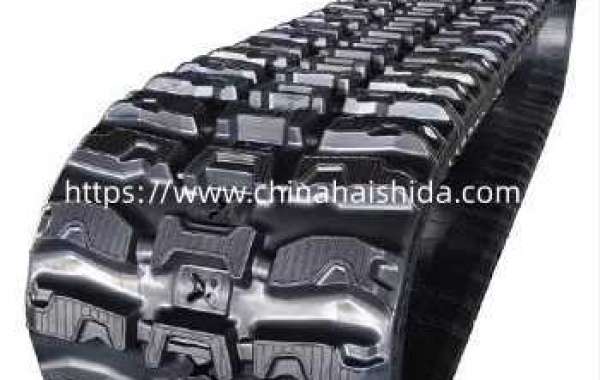
Engineering for varied terrain requires several systems to work in coordination. The wheels and drivetrain provide movement on land, while tread design influences grip across mud, loose soil, grass, and uneven trails. Steering geometry and the arrangement of supporting components affect maneuverability and control. When the vehicle enters water, flotation and water-movement features become essential to its intended operation. The transition between land and water places different demands on the overall design, making component integration especially important. Buyers should review the manufacturer's guidance on suitable surfaces, water conditions, operating procedures, and environmental limitations rather than assuming that amphibious capability means unrestricted use.
Water resistance is another significant engineering consideration. Components exposed to moisture need appropriate protection, while seals and body construction must support the vehicle's intended aquatic use. The arrangement of propulsion and steering systems can influence how the vehicle responds in water, while the hull or body design contributes to flotation behavior. These features should be evaluated as part of a complete system instead of as separate selling points. Operators must follow the manufacturer's instructions, use suitable launch and exit locations, and assess environmental conditions before entering water. Appropriate training and required personal safety equipment are important parts of responsible operation.
The operator's experience depends on how naturally the vehicle can be controlled and maintained. Seating position, visibility, control placement, and entry arrangements can affect comfort during outdoor journeys. A clear view of the surrounding terrain helps operators identify obstacles and changing surface conditions. Controls should be understandable, and routine inspection points should be accessible without unnecessary difficulty. Storage arrangements may also matter for users who carry tools, recovery equipment, or outdoor supplies. Buyers should consider the experience and physical needs of the intended operators, along with the manufacturer's recommendations for training, protective equipment, and routine checks.
Exterior design serves functional purposes beyond creating a distinctive appearance. Body contours can influence how mud, water, and debris interact with exposed components, while protective covers help shield selected areas from environmental contact. The placement of service access points can make cleaning and maintenance more convenient after use in wet or muddy surroundings. A thoughtfully arranged cabin or seating area can also improve access to controls and reduce clutter. Color, surface finish, and styling may influence personal preference or fleet identity, but these choices should be considered alongside visibility, protection, serviceability, and the suitability of the vehicle for its intended surroundings.
LIN HAI HAISDER MACHINERY CO., LTD. develops and supplies off-road and amphibious vehicle products for customers with different outdoor mobility needs. When considering a vehicle for a particular environment, buyers can discuss terrain conditions, expected water use, operator experience, storage arrangements, maintenance access, and after-sales support with the company. Reviewing these practical details helps clarify which product characteristics are relevant to the intended application and what preparation may be needed before operation. Information about the company's products and available vehicle options can be found at https://www.chinahaishida.com.