
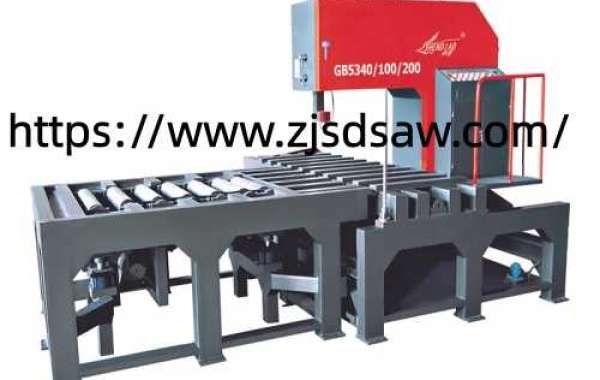
Vertical Metal Cutting Band Saw Machine selection starts with a clear picture of the work your workshop handles every day. From shaping steel plates for custom components to trimming alloy blocks for further machining, different applications require different equipment configurations. The right choice depends on material dimensions, cutting patterns, blade compatibility, and expected workload. Looking beyond the initial purchase price helps manufacturers choose equipment that fits their production process and remains practical to operate over time.
Consider the types of parts your team produces. A fabrication shop making brackets and structural components may need to handle straight cuts alongside occasional curved profiles. A toolroom producing dies, fixtures, and custom parts may place greater emphasis on contour control and access to intricate shapes. Vertical equipment allows operators to guide workpieces across a table, making it useful for applications where the cutting path changes throughout the operation. Understanding your typical jobs helps narrow the selection before you compare individual models.
Workpiece dimensions should be your next consideration. Two measurements deserve particular attention: throat capacity and maximum work height. Throat capacity determines the horizontal clearance between the blade and the machine column, while work height describes the available vertical space beneath the upper guide. These dimensions affect different aspects of the job. A wide plate may require additional throat clearance, whereas a thick component needs sufficient space below the guide. Measure your largest routine workpieces and allow room for positioning, turning, and supporting the material safely.
Material composition also influences the equipment setup. Carbon steel, stainless steel, aluminum, and other alloys respond differently to blade speed, tooth geometry, and feed pressure. A blade suitable for one material may not provide the same results with another. Softer alloys, for example, can produce long or sticky chips, while tougher steels may require a different speed range and tooth configuration. Ask the supplier which blade specifications suit your materials, and confirm the recommended operating parameters before introducing unfamiliar stock into regular production.
Blade width matters when your work involves curved profiles. Wider blades generally provide greater support for straight cuts, while narrower blades can follow tighter contours within the limits of the blade and machine. Tooth pitch must also match the cross section being processed. If the teeth engage too few or too many points in the material, cutting performance and blade life may suffer. Reviewing the range of permitted blade sizes can help you determine whether the equipment will accommodate the shapes and materials you expect to process.
The worktable and operator controls deserve attention during a demonstration. A stable table supports accurate positioning, while suitable guides and adjustable settings help operators maintain control over the cutting path. Some applications benefit from a tilting table or an electric-feed arrangement, whereas others rely on manual movement because every component has a different shape. Choose functions according to the work being performed rather than adding options that your team may rarely use. A straightforward operating layout can also reduce the time needed to train new staff.
Maintenance requirements influence long-term ownership costs. Inspect the accessibility of blade guides, tensioning mechanisms, drive components, and routine service points. Ask how often the manufacturer recommends checking alignment, inspecting the blade, and cleaning accumulated chips. Replacement parts, technical assistance, and clear operating documentation are also worth discussing before placing an order. Planning for these needs in advance can help avoid unexpected interruptions and make routine maintenance easier to schedule around production commitments.
Safety should remain part of the evaluation. Check that appropriate blade guards, emergency stop controls, and other protective features are available for the intended application. The machine should be installed according to its operating instructions, with sufficient space for handling workpieces and performing maintenance. Operators need training in safe material positioning, blade replacement, and cleaning procedures. Establishing consistent practices helps protect personnel while supporting an organized production environment.
For manufacturers comparing industrial sawing equipment, Chendiao encourages buyers to start with practical requirements rather than assumptions about machine size or price. Prepare a list of material grades, workpiece dimensions, cutting shapes, expected production volumes, and available workshop space before requesting a quotation. These details help suppliers recommend configurations suited to your application. You can review available equipment and product information at https://www.zjsdsaw.com/product/ to compare options and identify a suitable solution for your manufacturing workflow.






