
Developing a plastic component involves more than creating a shape and choosing a resin. Product designers must consider how the part will be manufactured, assembled, handled, and maintained throughout its intended service life. Working with a Plastic Injection Mould Factory can help businesses connect these requirements with suitable tooling concepts, material choices, and production methods. Effective cooperation begins when the manufacturer understands the purpose of the component, the conditions in which it will be used, and the qualities that matter most to the customer. This shared understanding provides a stronger foundation for practical mold development.
The materials used to manufacture tooling influence machining, wear behavior, heat management, and long-term maintenance. Steel is often selected when a mold needs a durable cavity structure capable of repeated production, while aluminum may be appropriate for certain prototypes, development work, or specialized manufacturing situations. The choice depends on the molded resin, component geometry, surface expectations, and intended production demands. Mold materials should also be considered alongside heat treatment, surface finishing, and the construction of moving elements. These factors affect how the tooling responds to repeated opening, closing, filling, and ejection. On the product side, the selected plastic resin influences flow behavior, shrinkage, strength, flexibility, and appearance. Evaluating tooling and product materials together helps reduce conflicts between design intentions and manufacturing realities.
Choosing a mold manufacturing partner requires a clear assessment of project requirements. Businesses should prepare product drawings or three-dimensional models, explain the component's function, identify its assembly relationships, and communicate any requirements for texture, color, or appearance. The manufacturer also needs to understand whether the part contains snap fits, threaded features, curved surfaces, thin walls, or other details that may affect mold construction. Beyond technical capability, buyers can examine the supplier's engineering communication, production coordination, inspection methods, and approach to design revisions. Asking how potential manufacturing challenges will be discussed can reveal whether a supplier is prepared to contribute engineering insight rather than simply manufacture tooling from a submitted drawing. Clear expectations at the beginning help establish a more organized working relationship.
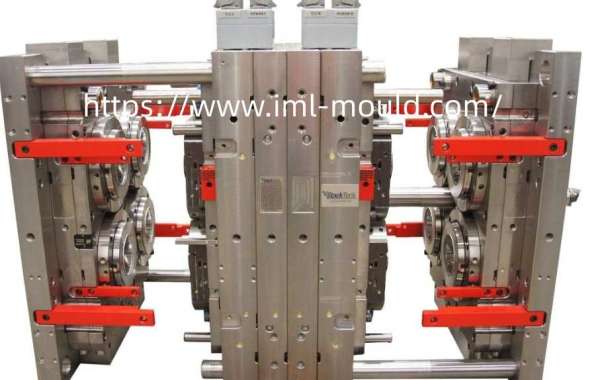
The mold's functional design determines how molten plastic enters the cavity, forms the intended shape, cools, and exits the tooling. The cavity and core establish the part geometry, while the parting surface defines how the mold separates after molding. Gate and runner arrangements guide material flow, and venting features provide pathways for displaced air. Cooling channels help manage heat distribution, while ejection components support the release of the finished part. These features must work together because an issue in one area can affect several aspects of production. Poorly considered flow paths may contribute to visible defects, uneven cooling can encourage warpage, and unsuitable release features may damage delicate surfaces. Engineering decisions therefore need to account for the interaction between the resin, part geometry, mold structure, and molding process.
Manufacturing technology helps mold makers turn design information into physical tooling. Computer-aided design allows engineers to examine the relationship between product geometry and mold construction before machining begins. Where appropriate, flow simulation can help identify potential filling difficulties, air traps, or uneven cooling conditions. Machining and finishing processes then create the cavity surfaces and mechanical features needed for the application. Trial molding provides an opportunity to assess actual parts and identify adjustments that may be necessary. Inspection can examine surface condition, fit, release behavior, and consistency with the approved design. Documenting changes during this stage helps the manufacturer and customer maintain a shared understanding of the tooling's development. This coordinated approach is particularly useful when product requirements evolve during engineering review.
The user experience of a mold is closely connected to how easily production staff can install, operate, inspect, and maintain it. Accessible connection points, clearly arranged moving components, and practical maintenance access can reduce unnecessary difficulty during setup and servicing. Mold changes may also be easier to manage when replaceable inserts and wear-prone elements are designed with service requirements in mind. Operators need suitable instructions for cleaning, checking moving mechanisms, and identifying signs of damage or wear. Consistent communication between engineering teams and production personnel can help uncover difficulties that appear only during routine use. A mold should support not only the creation of acceptable parts but also the practical workflow surrounding production, inspection, and maintenance.
Product appearance is another important consideration during tooling development. Surface texture, gloss, decorative details, molded logos, and visible seams all influence how a component is perceived. These features should be discussed early because the mold surface and parting arrangement affect the final result. A smooth housing for an electronic product may require different finishing considerations from a textured handle intended to provide a secure grip. The location of gates and ejector marks can also influence the visible surfaces, so designers and engineers should consider how the part will be viewed after assembly. Color requirements, material behavior, and post-molding finishing methods may further affect the visual outcome. Careful coordination helps align the intended appearance with achievable manufacturing methods.
Ningbo Hengqi Precision Mould Co., Ltd. provides precision mold manufacturing services for businesses developing plastic components and tooling solutions. When discussing a project with the company, customers can share product designs, material preferences, assembly requirements, surface expectations, and intended production applications. This information helps establish a common basis for evaluating mold structure, manufacturing feasibility, and maintenance considerations. Early communication can also support more productive engineering discussions when a design needs refinement before tooling production. Businesses seeking further information about the company's capabilities and mold solutions can visit https://www.iml-mould.com/.






