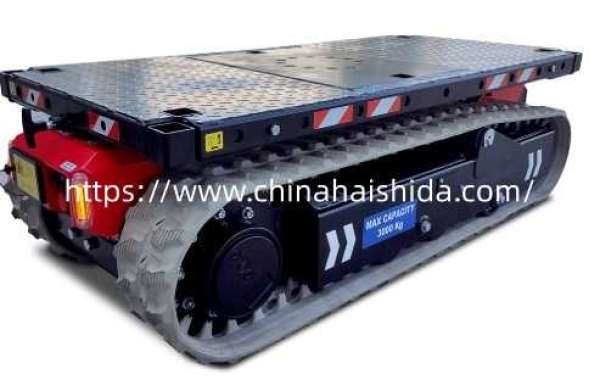
Reaching remote outdoor locations can involve crossing uneven trails, wet ground, shallow waterways, and areas where conventional vehicles have limited access. For buyers exploring an All-Terrain Amphibious Vehicle, the key question is how effectively the vehicle combines mobility, environmental protection, and practical operation across these changing conditions. Its usefulness depends on the relationship between the chassis, wheel arrangement, propulsion system, body construction, and operator controls. Evaluating these elements together helps users determine whether a vehicle matches their intended activities and the environments they expect to encounter.
Material selection influences how an amphibious vehicle responds to moisture, vibration, mud, and repeated outdoor exposure. The chassis must provide a suitable structural foundation, while body panels protect selected components and contribute to the vehicle's overall form. Metals may be used where structural support is important, and protective coatings can help address corrosion when they are appropriate for the environment. Polymer materials may be suitable for certain covers, panels, or protective parts because they can offer useful resistance to moisture and outdoor conditions. Seals, hoses, electrical connectors, and fasteners also deserve attention. These smaller components help protect the systems beneath the body, so their suitability matters alongside the visible construction.
Choosing a vehicle starts with understanding the work it needs to perform. Outdoor enthusiasts may prioritize access to remote recreational areas, while field teams may need to transport people or equipment through wetland environments and difficult terrain. Buyers should consider the kinds of surfaces they encounter, how frequently they expect to enter or leave the water, and whether the vehicle must navigate narrow routes or carry supplies. Storage arrangements, transportation to the operating site, and access to maintenance facilities can also affect the decision. Reviewing the manufacturer's operating guidance is essential because terrain conditions, water depth, currents, and weather can influence whether a particular environment is suitable.
The vehicle's mobility depends on how its mechanical systems interact with the terrain. Wheel arrangement and tire characteristics influence ground contact, traction, and the ability to move over uneven surfaces. The drivetrain transfers power to the wheels, while the steering system allows the operator to guide the vehicle through changing routes. For water travel, the vehicle must use a propulsion arrangement designed for its amphibious configuration. The body also needs to support the intended transition between land and water while protecting relevant mechanical and electrical components. These systems cannot be evaluated independently: a design that performs well on a muddy trail may respond differently when entering water or traveling across a soft shoreline.
Operator comfort and control are equally important during outdoor use. The seating position should support a clear view of the route, while the steering and control layout should be understandable to trained operators. A practical cabin or open seating arrangement can influence access, visibility, and protection from the elements, depending on the vehicle's design. Storage locations should keep essential supplies organized without interfering with movement or control access. When a vehicle is used for extended field activities, entry and exit arrangements, seating support, and the ability to communicate with other team members can shape the overall experience. Buyers should assess these features in relation to the intended users rather than focusing exclusively on mobility.
Maintenance requirements deserve special attention because amphibious vehicles may encounter contaminants that are less common in ordinary road use. Mud, sand, vegetation, and moisture can collect around wheel assemblies, joints, protective panels, and other exposed areas. Operators should follow the manufacturer's cleaning and inspection procedures, paying attention to components that require specific care after water travel. Electrical connections, seals, fasteners, and drivetrain components may need routine checks according to the service guidance. Access to maintenance points can make these tasks more manageable, while clear documentation helps users understand the correct procedures. Before purchasing, organizations should also ask about replacement parts, technical support, and recommended servicing arrangements.
Exterior design affects both usability and the vehicle's visual identity. Body contours, panel placement, wheel positioning, and the arrangement of protective structures contribute to how the vehicle fits its intended environment. A practical design should allow suitable access for inspection and servicing while protecting vulnerable components from expected outdoor exposure. Surface finishes and colors can help distinguish models intended for recreational or utility applications, but visual appeal should not replace functional evaluation. Buyers should also consider how equipment is carried, whether accessories can be accommodated, and whether the overall layout supports safe movement around the vehicle during loading and routine checks.
LIN HAI HAISDER MACHINERY CO., LTD. provides amphibious vehicle solutions for customers exploring specialized transportation across varied outdoor environments. Buyers can discuss their intended routes, land-and-water usage, equipment needs, operator requirements, and maintenance plans with the company when evaluating available options. Understanding these details helps connect vehicle selection with the realities of the planned application and clarifies which operating guidance should be reviewed before use. Further information about the company's products is available at https://www.chinahaishida.com.