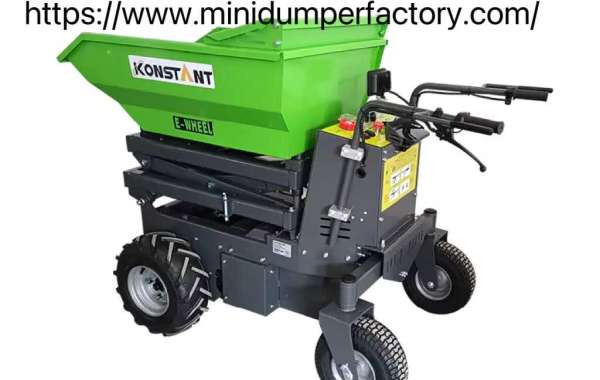
Mini Dumper Manufacturer selection deserves careful evaluation when buyers need equipment for construction, landscaping, farming, property maintenance, or material transportation. A product catalogue can introduce available models, but purchasing decisions also depend on application suitability, production arrangements, inspection records, customization options, and communication. For importers and distributors, checking these details before placing an order helps establish clear expectations and supports organized procurement.
Define the Working Requirements
Begin by examining the conditions in which the machine will operate. Equipment used to move soil through a garden may require different features from a unit transporting rubble around a construction site.
Buyers should consider material type, expected load, ground surface, access width, slope, travel distance, and unloading location. These factors influence the required dimensions, drive arrangement, hopper design, and operating configuration.
Prepare a list of essential requirements before requesting a quotation. If the machine must pass through narrow entrances or operate in restricted spaces, confirm its overall width, turning requirements, and unloading clearance. Sharing these details helps the supplier identify suitable models for the intended application.
Check the Technical Specifications
Product names and photographs provide an introduction, but written technical details are necessary for a meaningful comparison. Request a specification sheet for the exact model and configuration included in the quotation.
Important details include rated payload, hopper capacity, machine dimensions, operating weight, power source, drive system, and unloading method. Buyers should also ask about control arrangements, maintenance access, and any operating limitations relevant to the worksite.
For distributors, consistent technical documents can support product listings, customer inquiries, and inventory planning. If two models appear similar, request a direct comparison of their specifications instead of relying on appearance alone.
Before confirming an order, make sure the quotation and technical sheet describe the same configuration. Record all agreed options and modifications in writing.
Ask About Components and Assembly
Understanding the equipment configuration helps buyers assess whether it matches their operational needs. Ask which components are included as standard and whether alternative options are available.
Depending on the model, relevant details may include the power unit, drive components, hydraulic parts, controls, hopper structure, wheels or tracks, and supplied accessories. Confirm the specifications of components that are important to the intended application.
Buyers can also ask how assembly instructions are followed and how changes to a confirmed order are communicated to the production team. For repeat purchases, keeping a record of the approved configuration can reduce confusion when ordering the same model again.
Current production photographs or a video meeting, where available, can provide additional context about assembly arrangements and the equipment being considered.
Review Inspection Procedures
Before placing an order, buyers should understand what checks take place during assembly and before shipment. Ask whether inspections cover visible condition, component installation, controls, unloading functions, and other features listed in the agreed specifications.
For larger purchases, prepare a written inspection checklist. It can identify required accessories, configuration details, functional checks, packaging requirements, and the documents expected before dispatch.
Buyers who cannot visit the production site may request photographs, videos, or inspection records where available. If an independent inspection is needed, agree on its scope, timing, and associated costs before production is completed.
Documentation should match the actual order. Request product specifications, operating instructions, parts information, and any additional documents required for the destination market. Verify applicable regulatory requirements separately instead of assuming the same documents are suitable for every country.
Confirm Customization and Packaging
Distributors and private-label businesses may require specific colors, logos, nameplates, manuals, or packaging designs. Ask which changes can be accommodated and whether they affect the price, order quantity, or production schedule.
Provide artwork and written instructions before the relevant production stage. If a design proof requires approval, confirm who will approve it and how the final version will be recorded.
Packaging should be discussed according to the transportation method and destination. Buyers can confirm protective materials, package dimensions, labeling, loading arrangements, and the placement of manuals or spare parts.
For international orders, ask which shipping documents will be supplied and clarify the responsibilities assigned to each party. Resolving these details early helps purchasing teams coordinate freight, customs preparation, and receiving arrangements.
Plan for Maintenance and Replacement Parts
Equipment planning should include the period after delivery. Ask whether spare parts lists, component diagrams, maintenance instructions, and operating manuals are available for the selected model.
Clarify warranty coverage, the process for reporting a problem, and the communication channel for technical questions. Buyers should also ask how replacement components are identified and ordered.
Distributors may want to prepare a spare parts plan based on expected sales and customer maintenance needs. Contractors operating equipment at remote sites may need to understand how components can be obtained before the machine enters regular service.
Clear arrangements help both parties understand their responsibilities and give buyers a practical basis for managing ongoing equipment use.
Compare Quotations and Prepare the Order
Before requesting a final quotation, gather the details needed for an accurate response. Include the intended application, expected load, site conditions, preferred configuration, order quantity, customization requirements, destination, and target delivery period.
Compare quotations against the same specification rather than considering unit price alone. Review included accessories, inspection arrangements, packaging, spare parts, payment terms, and delivery responsibilities. If information is missing, request clarification before approving the order.
For businesses planning regular purchases, retain the final quotation, approved specification sheet, inspection requirements, and customization details in one record. This creates a consistent reference for future inquiries and helps purchasing teams manage repeat orders.Buyers evaluating compact material transport equipment can review the available product range from minidumperfactory and compare configurations with their intended applications. Visit https://www.minidumperfactory.com/product/ to examine the product options and prepare an inquiry covering specifications, quantity, customization, and delivery requirements.