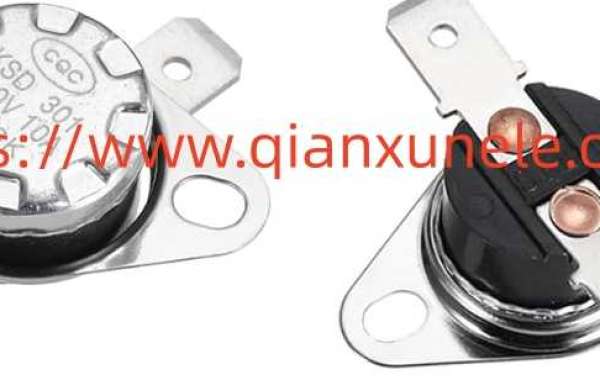
KSD 301 Steam Iron Thermostat plays an important role in managing the heating process inside an ironing appliance. During operation, the heating element raises the temperature of the internal metal structure, while the control component responds to temperature changes and switches the electrical circuit according to its operating characteristics. This process helps regulate heating cycles and supports the appliance design requirements established by the manufacturer. For buyers and product developers, understanding this function is useful when selecting components for different product models.
Temperature Regulation Supports Controlled Heating
An ironing appliance needs an appropriate temperature range to handle different fabrics and usage conditions. Excessive heat may affect delicate materials, while insufficient heat can make wrinkle removal less effective. The temperature control system therefore needs to respond to changes during normal operation.
A mechanical temperature control component commonly uses a bimetal structure. As the temperature changes, the two bonded metal layers respond differently to heat, causing the structure to bend. When the specified operating condition is reached, the contacts change their electrical state and interrupt or restore the heating circuit according to the design.
This switching process creates repeated heating and cooling cycles. The operating temperature, reset characteristics, and electrical configuration should be selected according to the appliance design rather than treated as interchangeable specifications.
Switching Characteristics Influence Appliance Performance
The switching temperature is an important specification for manufacturers. It determines when the heating circuit changes state during operation. The reset temperature is also relevant because it affects when the circuit can resume supplying power after cooling.
Buyers should distinguish between operating temperature and reset temperature when reviewing technical documents. These values are related, but they describe different stages of the switching process. Their relationship can influence temperature variation during use.
Electrical ratings also require attention. Voltage, current, contact configuration, and expected switching frequency should be checked against the appliance circuit. A component selected without considering the actual electrical load may not match the intended application.
For this reason, manufacturers should provide clear technical information when requesting quotations. Sharing circuit requirements and target temperature ranges helps suppliers assess the proposed specification more accurately.
Product Structure and Installation Affect Integration
The physical structure of a temperature control component influences how it can be integrated into an appliance. Dimensions, mounting holes, terminal positions, contact orientation, and connection methods should correspond with the available installation space.
Ironing appliance designs may differ in housing shape, heating plate structure, internal layout, and wiring arrangement. Even when two components have similar temperature ratings, their physical configurations may not be suitable for the same model.
Purchasing teams should therefore prepare drawings or samples when discussing a new project. These materials help clarify installation requirements and reduce the possibility of ordering a component with incompatible dimensions.
At qianxunele, communication about product dimensions, electrical specifications, and application conditions can help customers identify a configuration that fits their design plans.
Material Selection and Manufacturing Inspection Matter
The materials used in a control component can influence its response to temperature changes, electrical contact behavior, and service conditions. Manufacturers need to consider the bimetal element, contact materials, insulating parts, terminals, and housing structure as parts of one assembly.
Production inspection is another relevant consideration. Depending on the product design, inspection procedures may include checking dimensions, contact operation, electrical characteristics, and switching temperatures. These checks help manufacturers evaluate whether finished components correspond with the agreed technical requirements.
Buyers can ask suppliers how product specifications are confirmed during production and what inspection information can be provided with an order. Clear documentation is useful when components are being purchased for appliance assembly projects with defined technical requirements.
What Buyers Should Confirm Before Bulk Purchasing
Bulk purchasing requires careful specification management. Before confirming an order, buyers should prepare a list of technical and commercial requirements. This makes communication more efficient and helps both parties understand the expected delivery arrangement.
Important details include:
Rated voltage and current.
Operating temperature and reset temperature.
Contact type and terminal arrangement.
Overall dimensions and mounting method.
Intended appliance model and operating conditions.
Required order quantity and packaging method.
Sample availability and inspection documentation.
Buyers should also confirm whether the requested specification is a standard configuration or requires customization. If a new appliance design is involved, sample evaluation can help verify physical fit and operating behavior before larger quantities are ordered.
A clear specification sheet can reduce misunderstandings during quotation, sampling, production, and delivery. It also gives the purchasing team a consistent reference when discussing technical changes.
How Manufacturers Can Coordinate Component Development
Component selection should begin during the appliance design stage whenever possible. Engineers can provide information about the heating element, target temperature range, circuit arrangement, available installation space, and expected operating conditions. The supplier can then review these details and discuss suitable product configurations.
For customized projects, communication may involve dimensional drawings, sample confirmation, terminal adjustments, and agreed inspection requirements. Changes should be documented so that both sides can follow the same specifications throughout the order process.
qianxunele works with customers seeking temperature control components for electrical appliances. By discussing application details and purchasing requirements, the company can help buyers evaluate available configurations and communicate project-specific needs. This process is useful for appliance factories, component distributors, and purchasing teams planning regular supply.When choosing a component for an ironing appliance, buyers should look beyond its basic switching function. Operating temperatures, electrical ratings, physical dimensions, materials, inspection procedures, and supplier communication all contribute to a suitable purchasing decision. Customers planning a new appliance project or reviewing existing component specifications can visit https://www.qianxunele.com/product/ to view available product information and contact qianxunele about their requirements.