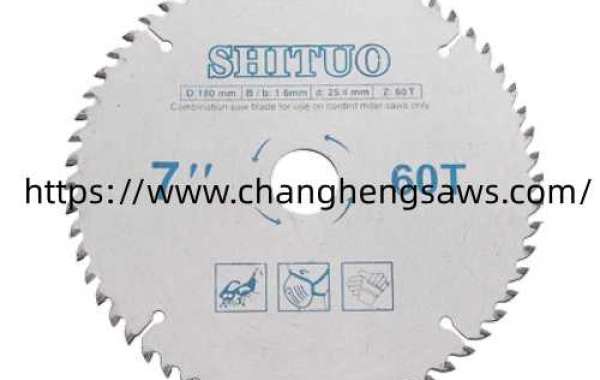
Trimmer Brush Blade selection is an important consideration for landscaping professionals, agricultural workers, and garden equipment distributors. Different outdoor environments present different vegetation challenges, from routine grass maintenance to managing dense weeds and woody growth. Choosing a suitable cutting component involves more than looking at its shape. Material composition, edge construction, equipment compatibility, and intended application all influence how a product fits into everyday maintenance work.
Garden maintenance has become an increasingly varied activity. Residential properties require regular lawn care, commercial landscapes need organized vegetation management, and agricultural areas may involve clearing unwanted growth around trees, pathways, and field boundaries. Each environment creates different demands for outdoor equipment. Understanding the working conditions before purchasing can help users select a product that matches their actual needs.
Material selection is one of the main considerations during manufacturing. Steel is widely used in outdoor cutting equipment because its mechanical characteristics can support different structural designs. Manufacturers consider material composition, hardness, toughness, and resistance to working wear when developing products for specific applications. The relationship between these characteristics influences how the finished component responds to repeated contact with vegetation.
Surface finishing also deserves attention. Outdoor equipment is frequently exposed to moisture, soil, plant residue, and changing weather conditions. Appropriate surface treatments may help manage environmental exposure, although cleaning and proper storage remain important. Buyers should consider the intended operating environment and ask manufacturers about the materials and finishing processes used in production.
Another important aspect is edge geometry. Different vegetation types interact with cutting edges in different ways. Grass and soft weeds generally create different working conditions from thick stems and woody plants. Edge angles, tooth arrangements, and overall cutting profiles influence how a product engages with vegetation. Selecting a suitable design according to the intended task can contribute to a more controlled working experience.
The overall shape also influences equipment handling. A balanced structure helps maintain the intended relationship between the cutting component and the machine. Irregular construction or unsuitable installation may affect operation and create additional stress on equipment. This is why product design needs to consider not only the cutting surface but also mounting compatibility and the supporting machine.
For buyers comparing products, compatibility should be checked before purchase. Different outdoor machines may use different mounting arrangements and operating requirements. Users should consult the equipment manual and confirm that the selected component is approved for their machine. A supplier can provide useful guidance when buyers share details about the equipment model and intended vegetation management tasks.
Manufacturing processes play an important role in product consistency. Material preparation, forming, edge grinding, heat treatment, and final inspection all contribute to the finished structure. Each stage requires suitable production controls. Careful inspection can help identify visible irregularities and ensure that products meet the manufacturer's intended construction requirements before packaging.
Operator experience is another purchasing consideration that is sometimes overlooked. Outdoor maintenance may involve uneven ground, narrow spaces, obstacles, and changing plant density. Equipment handling depends on the complete machine system, the selected attachment, and the operator's technique. Suitable protective clothing, eye protection, and other recommended safety equipment should always be used. Operators should also keep people and animals away from the working area.
Maintenance habits can influence the service experience. Soil and plant residue should be removed according to the manufacturer's cleaning instructions. Users should regularly inspect the cutting edge, mounting area, and surrounding components for visible damage or unusual wear. Damaged products should not continue in service. Correct storage can also help protect equipment between maintenance tasks.
For wholesale buyers and distributors, product variety and supplier communication are additional factors. Customers may have different requirements depending on whether they maintain residential gardens, commercial properties, orchards, or agricultural land. A supplier that can explain application differences and product construction helps buyers communicate more clearly with their own customers. Packaging, product identification, and order coordination also contribute to the overall sourcing experience.
Product appearance can provide useful clues during an initial assessment. Consistent finishing, uniform edge construction, and carefully formed mounting areas are details worth reviewing. However, visual inspection should be combined with product documentation and application guidance rather than treated as the only basis for a purchasing decision.
Changheng provides cutting product solutions for businesses involved in outdoor equipment, industrial applications, and related manufacturing sectors. Its product range gives buyers an opportunity to review different cutting applications while considering material construction and practical requirements. For distributors, equipment retailers, and professional maintenance businesses evaluating sourcing options, the company website at https://www.changhengsaws.com/ offers a starting point for reviewing product information and discussing suitable solutions for different outdoor working environments.