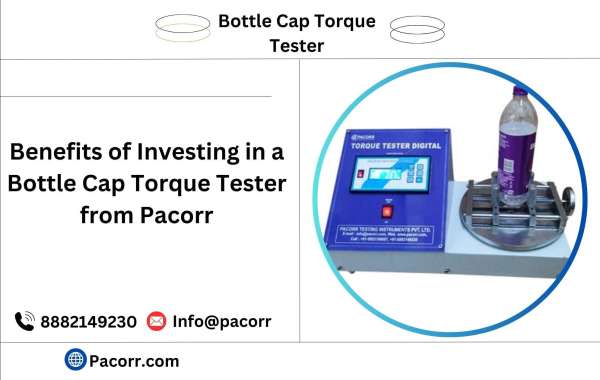
This is where a bottle cap torque tester becomes indispensable. Designed to measure the force needed to open or close bottle caps, these devices help manufacturers maintain consistent quality across production lines.
In this guide, we’ll explore the importance of bottle cap torque testing, how these tools work, their benefits, applications, and tips for selecting the right tester for your needs.
Why Bottle Cap Torque Testing is Essential
1. Ensuring Product Integrity
Loose bottle caps can lead to leaks, contamination, or spoilage, while overly tight caps may damage the packaging or frustrate consumers. Torque testing ensures caps are secured with just the right amount of force.
2. Meeting Industry Standards
Regulatory requirements vary across industries, but all emphasize proper sealing:
- Food and Beverage: Caps must retain freshness and prevent spills.
- Pharmaceuticals: Compliance with child-resistant and tamper-evident packaging standards is crucial.
- Cosmetics: Airtight seals preserve product quality.
- Chemicals: Proper sealing ensures safe handling and storage of hazardous materials.
Torque testing ensures your products meet these standards and remain compliant.
3. Enhancing Customer Satisfaction
Packaging is part of the user experience. A cap that’s hard to open or prone to leaks can harm your reputation. Torque testers help maintain a balance between secure sealing and ease of use.
How Bottle Cap Torque Testers Work
Torque testers measure the rotational force required to open or close a bottle cap. Here’s how they function:
1. Key Components
- Clamping Mechanism: Holds the bottle securely during testing.
- Torque Sensor: Detects and measures the force applied to the cap.
- Digital Display: Provides a real-time torque reading.
- Adjustable Fixtures: Allow testing of various bottle sizes and cap designs.
2. Types of Torque Testers
- Manual Testers: Affordable and suitable for low-volume testing, requiring operator involvement.
- Digital Testers: Offer precise readings with digital displays for easy interpretation.
- Automated Testers: Ideal for high-volume production, delivering consistent and rapid results.
3. Testing Process
- Clamping the Bottle: The tester secures the bottle to prevent movement.
- Applying Torque: Force is applied to the cap either manually or automatically.
- Recording Results: The tester records and displays the torque value for comparison against acceptable standards.
Benefits of Bottle Cap Torque Testers
1. Improved Quality Control
Torque tester price ensure caps are consistently sealed to prevent leaks and contamination.
2. Operational Efficiency
Automated models speed up the testing process, increasing productivity and reducing manual labor.
3. Cost Savings
Early detection of torque issues prevents expensive product recalls, packaging waste, and dissatisfied customers.
4. Data Insights
Digital testers provide detailed reports and trend analysis, enabling manufacturers to fine-tune their processes.
5. Versatility
Modern torque testers are compatible with various bottle types and sizes, making them suitable for diverse applications.
Applications of Bottle Cap Torque Testers
Torque testers are widely used across industries:
- Food and Beverage: Ensuring proper seals on water, soda, and juice bottles.
- Pharmaceuticals: Testing child-proof and tamper-evident caps.
- Cosmetics: Verifying airtight seals for perfumes, creams, and lotions.
- Chemicals: Securing hazardous materials with reliable sealing.
- Household Products: Testing packaging for cleaning agents and similar items.
Choosing the Right Torque Tester
When selecting a bottle cap torque tester, consider these factors:
1. Precision and Accuracy
High-precision sensors are essential for reliable results, particularly in regulated industries.
2. Compatibility
Ensure the tester accommodates your range of bottle sizes and cap designs.
3. Ease of Use
Opt for a user-friendly design to minimize training and maximize efficiency.
4. Durability
Invest in a sturdy tester that can withstand daily use in demanding production environments.
5. Advanced Features
Look for testers with data logging, reporting capabilities, and automated options to simplify quality control.
Best Practices for Torque Testing
- Calibrate Regularly: Regular calibration ensures the tester maintains accurate readings.
- Test Multiple Samples: Check a representative number of bottles from each batch to ensure consistency.
- Monitor Environmental Factors: Temperature and humidity can affect results; conduct tests in a stable environment.
- Train Staff: Proper training minimizes errors and ensures reliable results.
Why Choose Pacorr for Torque Testers?
At Pacorr.com, we provide advanced torque testing solutions tailored to meet the unique demands of different industries. Here’s why manufacturers trust us:
- Unmatched Precision: Accurate torque measurement for consistent quality.
- Robust Design: Built for durability in high-demand environments.
- User-Friendly Interface: Simple to operate and easy to integrate into your production line.
- Customizable Options: Flexible designs to meet specific requirements.
- Data Management: Advanced logging and reporting features for seamless quality assurance.
Conclusion
A bottle cap torque testing is a small but vital tool for ensuring the integrity, safety, and functionality of your packaging. By investing in a high-quality torque tester, you can maintain compliance, improve customer satisfaction, and safeguard your brand’s reputation.
Explore our wide range of torque testing solutions at Pacorr.com and discover how we can help you achieve superior packaging quality. Contact us today for expert advice and tailored solutions!