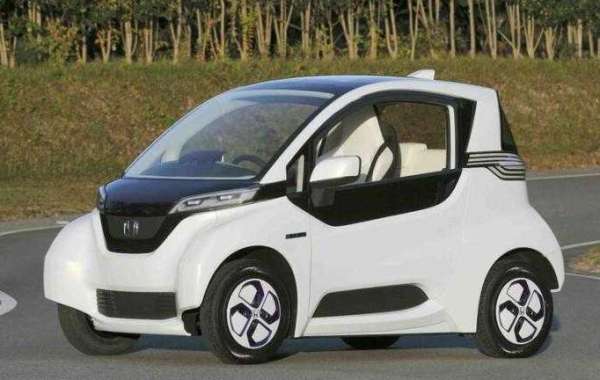
Micro-Hybrid Vehicles: The Next Step in Automotive Efficiency
Introduction
Micro-hybrid vehicles represent an innovative approach to automotive efficiency, combining traditional internal combustion engines (ICE) with mild hybrid technology. These vehicles offer enhanced fuel economy and reduced emissions without the complexities of full hybrid or electric vehicles. This guide explores the definition, components, benefits, challenges, and future trends of micro-hybrid vehicles.
What is a Micro-Hybrid Vehicle?
1. Definition
A micro-hybrid vehicle is a type of automotive technology that incorporates a small electric motor and battery system to assist the internal combustion engine. Unlike full hybrids, micro-hybrids primarily rely on the ICE but utilize the electric components for specific functions, such as start-stop systems and regenerative braking.
2. Key Characteristics
- Start-Stop Technology: Automatically shuts off the engine when the vehicle is stationary (e.g., at traffic lights) and restarts it when the driver accelerates.
- Regenerative Braking: Captures energy during braking and stores it in a small battery for later use.
- Small Battery Capacity: Typically features a 12V or 48V battery, providing limited electric assistance.
Components of Micro-Hybrid Vehicles
1. Internal Combustion Engine (ICE)
- Function: The primary power source for the vehicle, which operates in conjunction with the electric motor.
- Integration: The ICE is optimized to work efficiently with the electric components for better fuel economy.
2. Electric Motor
- Function: Provides assistance during acceleration and supports the start-stop system.
- Power Output: Generally lower than that of full hybrids, focusing on enhancing the efficiency of the ICE.
3. Battery Pack
- Function: Stores energy generated through regenerative braking and supports the electric motor.
- Capacity: Smaller than that of full hybrids, typically designed to support short bursts of electric assistance.
4. Power Electronics
- Function: Manage the flow of electricity between the electric motor, battery, and internal combustion engine.
- Components: Include inverters and converters that facilitate energy conversion and distribution.
5. Regenerative Braking System
- Function: Captures energy during braking and converts it into electrical energy to recharge the battery.
- Benefits: Helps improve overall energy efficiency and reduces wear on traditional brake components.
Benefits of Micro-Hybrid Vehicles
1. Improved Fuel Efficiency
Micro-hybrids can achieve better fuel economy compared to traditional vehicles by utilizing start-stop technology and regenerative braking, particularly in urban driving conditions.
2. Reduced Emissions
By optimizing engine performance and reducing fuel consumption, micro-hybrids contribute to lower greenhouse gas emissions, making them more environmentally friendly.
3. Cost-Effective Solution
Micro-hybrids are generally more affordable than full hybrids or electric vehicles due to their simpler technology and smaller battery systems, making them accessible to a broader range of consumers.
4. Enhanced Performance
The electric motor provides additional torque, improving acceleration and responsiveness without compromising the driving experience.
5. Less Complexity
Micro-hybrids have fewer components and systems compared to full hybrids, resulting in lower maintenance costs and easier integration into existing vehicle designs.
Challenges of Micro-Hybrid Vehicles
1. Limited Electric-Only Range
Micro-hybrids cannot operate solely on electric power, which may limit their appeal to consumers looking for fully electric driving capabilities.
2. Battery Limitations
The smaller battery capacity may not provide significant energy recovery, limiting the extent of fuel savings in certain driving conditions.
3. Consumer Awareness
There may be a lack of understanding and awareness among consumers regarding the benefits and capabilities of micro-hybrid technology.
4. Market Competition
Micro-hybrids face competition from full hybrids, plug-in hybrids, and fully electric vehicles, making it essential for manufacturers to differentiate their offerings.
Future Trends in Micro-Hybrid Vehicles
1. Technological Advancements
Continued advancements in battery technology, electric motors, and power electronics will enhance the efficiency and performance of micro-hybrid systems.
2. Increased Adoption
As automakers seek to meet stricter emissions regulations, the adoption of micro-hybrid technology is expected to grow, particularly in regions with stringent environmental standards.
3. Integration with Smart Technologies
Micro-hybrids may increasingly incorporate smart technologies, such as connected vehicle systems and advanced driver-assistance systems (ADAS), to enhance safety and convenience.
4. Broader Vehicle Offerings
Manufacturers are likely to expand their micro-hybrid offerings across various vehicle segments, including SUVs, trucks, and sedans, to appeal to a wider audience.
5. Sustainability Initiatives
Micro-hybrid vehicles will play a role in automakers' sustainability strategies, helping to reduce overall carbon footprints while transitioning toward more electrified vehicle lineups.
Micro-hybrid vehicles represent an effective solution for improving fuel efficiency and reducing emissions in the automotive industry. By combining traditional internal combustion engines with electric motor assistance, these vehicles offer a balance of performance, cost-effectiveness, and environmental benefits. As technology continues to evolve and consumer demand for greener options increases, micro-hybrids will play a significant role in the transition toward more sustainable transportation solutions.