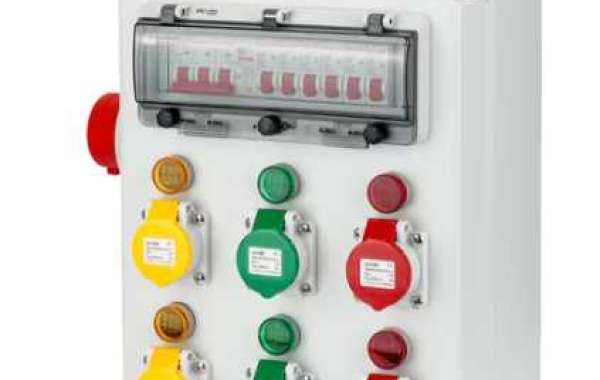
When routine checks become part of site culture, equipment lasts longer and downtime drops. A well chosen distribution Socket Box sits at the heart of localized power, so a clear inspection routine protects circuits, reduces surprises, and supports steady operation across shifts. Recent focus on resilient supply and safer workplaces has pushed operations teams to formalize straightforward walkaround and test practices that pay off quickly.
Start with a visual scan before any panel is opened. Look for loose fasteners signs of moisture or abnormal residue on external surfaces. Tight covers and intact seals indicate the enclosure continues to exclude contaminants. Early detection of paint flaking corrosion or gasket compression gives crews time to plan repairs during low demand windows rather than respond under pressure.
Internal checks should follow a safe procedure and use proper lockout steps. Inspect terminals for discoloration and verify that cable clamps hold conductors without play. Torque points matter; a loose termination can heat and raise resistance which impacts efficiency. When access reveals signs of thermal discoloration replace the suspect part and inspect adjacent connectors for similar stress.
Thermal scanning provides a non invasive way to spot hotspots. Periodic imaging during steady loads highlights contacts that run warmer than peers. These trends often precede visible damage and enable targeted swaps that avoid broader interruption. Combine scans with simple load checks and log results so technicians can track incremental change and judge when an exchange is prudent.
Seal integrity deserves regular attention. Gaskets compress over time and can harden or crease after repeated entries. Replace sealing strips at the first sign of permanent deformation. Maintain captive fasteners and check hinge alignment so covers close uniformly. Small interventions keep interior assemblies dry and preserve protective coatings.
Labeling and documentation speed safe service. A clear wiring diagram tucked inside a lid and machine readable tags on circuits simplify troubleshooting for crews who rotate across sites. When teams can read marking at a glance they avoid unnecessary probe work and reduce the risk of accidental disconnection. Update diagrams whenever modifications occur so records remain reliable.
Training makes routines effective. Short practical sessions on torque values safe test methods and visual cues help staff recognize candidates for attention. Hands on drills that simulate a tripped feeder or a moisture breach build confidence and shorten response time when an event happens. Rotate oversight so multiple people can lead basic checks and avoid single person dependencies.
Spare parts planning reduces downtime when a replacement is needed. Keep a kit of common gaskets contact modules and fastening hardware tailored to the chosen family of enclosures. A pre packed bag removes last minute sourcing hurdles and lets teams swap parts quickly during planned maintenance windows.
When environmental conditions change escalate inspection frequency. Storm seasons coastal salt spray and dusty campaigns all demand tighter cycles. Adjust companion tasks such as cleaning ventilation paths and reapplying protective finishes to match these periods so service intervals stay aligned with exposure levels.
Record keeping ties everything together. A compact log that captures date action and inspector initials forms the basis of trending work. Use either a physical pad or a simple digital note system to show progression and help managers allocate resources where wear appears earliest. This approach turns inspections into predictive maintenance rather than reactive fixes.
Choosing an enclosure family that supports straightforward service improves long term outcomes. Accessible terminations modular inserts and replaceable seals all reduce labor during checks. When specifiers combine practical design with an agreed inspection regimen, distribution points remain dependable while maintenance teams manage time effectively.
For practical mounting templates accessory options and care guides consult product support and configuration notes at www.nante.com . These resources include diagrams and spare part references that help teams prepare inspection lists and assemble field kits. Reviewing technical documentation before installation and sharing it with maintenance crews makes routine checks faster and safer while keeping operational rhythms stable.