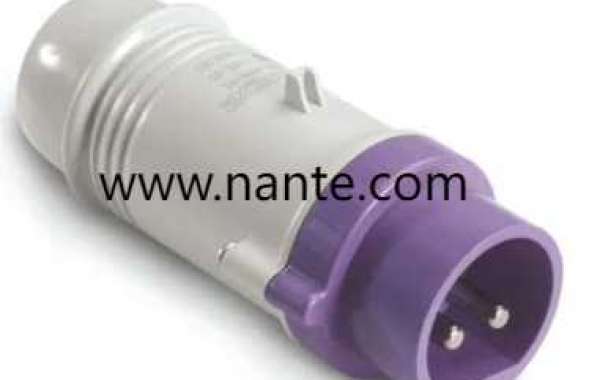
For teams wiring heavy machinery or staging mobile power, choosing the right Industrial Plug is a practical decision that affects safety, uptime and maintenance time. As electrification expands across construction, events and field services, connectors that match load profile and environment reduce nuisance trips and simplify repairs. This article guides buyers and technicians through signals to watch for when a plug needs replacement so operations stay safe and predictable.
A connector that shows mechanical wear is the first red flag. Repeated coupling and uncoupling wears contact plating and stress points. If mating requires extra force or if pins wobble in their seats, the contact surface is compromised and resistance rises. Higher resistance produces heat under load and may lead to discoloration or smell near the housing. Replace a worn unit rather than pushing service life to failure; a timely swap keeps downtime short and avoids lengthy investigations after an incident.
Electrical symptoms also tell a story. Noticeable voltage drop at the equipment under normal load, or a breaker that trips on routine cycles, often points to a marginal connection. Thermal scans during commissioning and routine rounds reveal hotspots at pins or lugs before insulation shows damage. Where heat appears near an outlet, swap the mating plug and inspect the cable termination; do not assume the problem will clear without intervention because hidden resistance grows quickly under cyclic duty.
Water and corrosion risk accelerate deterioration. Field sites near coasts, washdown zones or dusty yards expose metal to attack and grit. Seals that harden or crack let moisture reach contact faces, and even small corrosion patches increase contact resistance. If a plug's gasket no longer compresses properly or if screws show rust, replace the unit with one designed for the environment or fit a sealed replacement insert. Choosing a housing with replaceable seals and service friendly glands reduces waste and lowers long term cost.
Mechanical locking and retention matter for vibration heavy service. Connectors that once latched solidly but now release under vibration or during handling should be changed. A plug that uncouples under motion invites arcing and creates intermittent supply to drives and motors. Replace bodies that no longer hold their locking collar firmly and prefer styles with captive fasteners so field teams do not lose small parts during fast paced work.
Signs of overheating inside a cable or near a lug demand immediate action. Cable insulation that softens or that shows brown discoloration signals sustained thermal stress. In many cases the root cause is a loose termination or a mis sized conductor. Always isolate the circuit and inspect the termination point, and replace any plug whose internal compartment shows heat related damage. Repairing the cable without addressing the worn connector invites a repeat fault.
Serviceability and spare planning reduce the pain of replacements. Opt for connector families with replaceable inserts and clear spare part references so technicians swap a damaged contact rather than discard an entire assembly. When procurement standardizes on a few plug families and keeps a compact spare kit, field recovery is faster and logistics simpler. Document torque values and include them in the asset file so replacements return the plug to design spec.
Human factors play a role too. Frequent quick hookups by rotating crews raise the chance of damage from misalignment or from forcing a mismatched mating. Train operators on seating technique and on how to check engagement markers before loading equipment. A short handover checklist that includes inspection of seals and a quick thermal feel helps crews catch marginal plugs before they affect operations.
Finally, align replacements with site risk and expected duty. Critical circuits that serve medical tents, generators or life safety equipment deserve proactive swaps on a maintenance schedule rather than waiting for failure. For secondary circuits a condition based approach guided by visual and thermal checks will often suffice. Both methods reduce surprise outages and keep teams focused on productive tasks.
If your operation needs reliable connectors and wants options that simplify service and spare management, review product families and accessory lists that support modular repair and environmental sealing. For detailed product pages, mounting notes and spare part information that assist procurement and technical teams visit https://www.nante.com/product/socket-plug/industrial-plug/ . Supplier documentation there helps match connector choices to site realities and supports predictable maintenance practice so replacements happen on your terms, not under emergency conditions.