Aluminum Plate Cutting Circular Saw Machine selection requires careful consideration when a workshop handles different grades, thicknesses, dimensions, and production volumes. Aluminum materials can have different processing characteristics depending on their alloy composition and physical dimensions. Buyers should therefore evaluate their actual production requirements before choosing equipment. Factors such as tooling, workholding, operating parameters, cooling, chip removal, and required edge condition can all affect how smoothly a cutting process operates.
Material grade is an important starting point. Common aluminum grades such as 6061 and 7075 can behave differently during machining because their mechanical properties are not identical. A setup used for general fabrication may need adjustment when processing a harder alloy. Buyers should provide manufacturers with information about the grades they normally handle. This allows equipment configurations and operating conditions to be discussed according to the intended application.
Material thickness also deserves close attention. Thin sheets and thicker stock can require different cutting conditions. Tooth configuration, chip space, and feed control should be considered together with the dimensions of the workpiece. When processing thinner sections, suitable tooling can help support controlled material removal and edge quality. For thicker stock, adequate chip clearance and appropriate operating parameters can become increasingly important.
Workholding is another factor that can influence processing stability. Thin or large workpieces may move or vibrate if they are not properly supported. A suitable clamping arrangement helps maintain the position of the material throughout the operation. Buyers should review fixture structure, clamping range, support points, and the dimensions that the equipment can accommodate before placing an order.
Tool selection should match the application rather than relying on a single configuration for every job. Carbide tipped blades are commonly used for non ferrous materials, while tooth geometry, diameter, arbor size, kerf, and tooth count can vary according to the intended application. Thin sections, profiles, and solid stock may each require different tooling considerations. Discussing these details with the manufacturer can help buyers develop a configuration suited to their regular workload.
Operating parameters also matter during material processing. Feed speed and rotational speed determine how the cutting teeth engage with the workpiece. Excessive feed can increase mechanical load and vibration, while an unsuitable low feed can increase rubbing and heat. The appropriate settings depend on the material, tooling, dimensions, and equipment configuration. Buyers should therefore consider whether the machine allows practical parameter adjustment for different production conditions.
Cooling and lubrication may also be relevant, particularly for continuous production. Appropriate fluid delivery can help manage heat and reduce friction between the tooling and material. Some applications may use dry processing, while others can benefit from lubrication. The suitable method depends on the tooling, material characteristics, operating conditions, and machine design. Buyers should discuss these requirements before selecting a configuration.
Chip management is another detail worth reviewing. During aluminum processing, chips can accumulate around the cutting area or adhere to tooling when conditions are unsuitable. Effective chip clearance can help maintain a cleaner working environment and support consistent processing. Buyers handling different thicknesses should consider how the equipment manages chips during both short production runs and longer operating cycles.
Production volume should also influence the purchasing decision. A workshop processing several pieces each day may have different requirements from a facility running continuous production. Buyers should consider expected workload, operating frequency, maintenance access, setup time, and material changeovers. These factors can help determine which configuration is practical for the intended workflow.
Before contacting a manufacturer, buyers can prepare a simple material profile that includes alloy grades, thickness range, workpiece dimensions, expected workload, required cutting condition, and available workshop space. Providing these details makes technical communication easier and gives the manufacturer useful information for discussing equipment options.
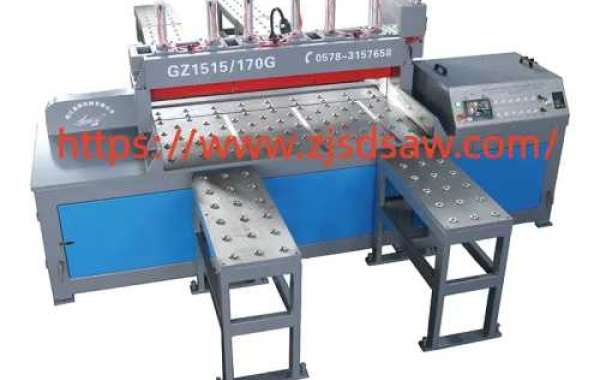
Chendiao provides industrial sawing equipment for different fabrication requirements and can discuss suitable configurations according to material characteristics and production conditions. Buyers can compare tooling compatibility, clamping arrangements, parameter adjustment, chip handling, maintenance access, and overall machine structure as part of the purchasing process. To review product information and discuss suitable equipment for your application, visit https://www.zjsdsaw.com/ and consider the available solutions based on your actual material and production requirements.