
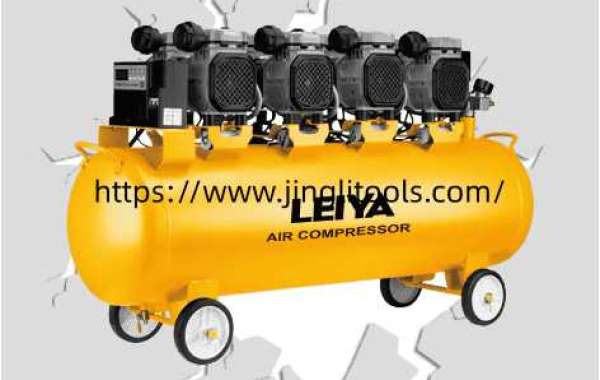
Air Compressor Machine selection should begin with the actual production requirement rather than a single specification on a product sheet. Buyers need to consider connected tools, pressure demand, flow requirements, working frequency, electrical conditions, available space, noise considerations, and maintenance arrangements. Looking at these factors together can make the purchasing process more practical and help customers communicate their requirements clearly with a manufacturer.
Start With the Application
Every workshop has different operating conditions. Before comparing equipment, buyers should identify how the unit will be used and which tools or processes it will support.
Some users may need compressed gas for occasional workshop maintenance, while others may require it for repeated pneumatic operations during production. The expected workload can influence the appropriate configuration.
Buyers should prepare a simple application list that includes the connected tools, estimated usage frequency, required pressure, and expected operating period. This information gives the manufacturer a clearer picture of the project.
Check Pressure Requirements
Pressure is one of the specifications that should receive careful attention during the selection process. Different pneumatic tools and production processes can require different working ranges.
Instead of choosing equipment according to motor input alone, buyers should first identify the pressure requirements of the connected devices.
It can also be useful to distinguish between the required working pressure and the available pressure range. A suitable configuration should correspond with the actual operating conditions rather than an assumed requirement.
Review Flow Capacity
Flow capacity should be considered alongside pressure. A workshop using several pneumatic devices may have different requirements from a location where only one tool operates intermittently.
Buyers can estimate how frequently connected equipment will operate and whether several tools may be used at the same time.
This information can help customers communicate more specific requirements to a supplier. It also provides a useful basis for comparing different configurations without focusing on a single technical figure.
Consider Tank Capacity
Tank capacity can influence how a system handles short periods of increased demand. However, tank size should not be evaluated independently from pressure, output, and operating frequency.
For occasional workshop tasks, the requirements may differ from those of a production environment with repeated pneumatic operations.
Buyers should therefore consider how the storage capacity works with the rest of the system. Asking the manufacturer about the relationship between tank size and intended workload can provide useful information before ordering.
Check the Power Supply
Electrical compatibility should be confirmed before purchasing equipment. Buyers should review voltage, frequency, rated input, and other relevant electrical requirements against the conditions at the installation location.
This point is particularly important for international orders because electrical standards can vary between markets.
Customers can provide the destination country or region during the inquiry stage and confirm the required electrical configuration with the manufacturer. This can reduce potential misunderstandings before production or shipment.
Measure the Available Space
Installation conditions can affect the choice of equipment. Buyers should consider the available floor area, ventilation, access for maintenance, and connection position before confirming an order.
For a fixed workshop installation, dimensions and placement may be important. If the equipment needs to move between different areas, weight, handles, wheels, and portability may receive greater attention.
Planning the installation location in advance can also make it easier to organize cables, hoses, and other related components.
Consider Noise Conditions
Noise can be an important purchasing factor when equipment operates indoors or close to workers. Buyers should consider the surrounding environment and determine whether sound levels need special attention.
A workshop located near offices, inspection areas, or other workstations may have different requirements from an isolated production area.
Customers can ask the manufacturer for available technical information and discuss the expected working environment before selecting a suitable configuration.
Review Oil-Free Requirements
Certain applications may require compressed gas with reduced risk of oil contamination. This can be relevant to particular manufacturing processes, painting work, electronics applications, and other environments where cleanliness is an important consideration.
Buyers should determine whether an oil-free configuration is actually appropriate for their process instead of selecting it simply based on the product description.
Providing details about the application allows the manufacturer to discuss relevant specifications and operating requirements more clearly.
Think About Maintenance
Maintenance requirements should be considered before the equipment enters daily operation. Buyers can ask about filter inspection, cleaning, component replacement, storage, and recommended service procedures.
An oil-free design does not mean that regular maintenance can be ignored. Filters and other components may still require inspection or replacement depending on operating conditions.
For businesses purchasing multiple units, spare parts and technical documentation may also be worth discussing. Having this information available can support routine equipment management.
Review Accessories and Configuration
Accessories can affect how easily the equipment integrates into an existing workshop setup. Buyers should confirm whether hoses, fittings, gauges, filters, wheels, handles, or other components are included.
For customized orders, customers may also have specific requirements for packaging, labels, quantities, or other details.
Discussing these points before production can help both parties establish clearer expectations and reduce unnecessary changes later in the purchasing process.
Communicate With the Manufacturer
Good communication can make technical discussions more efficient. Buyers should provide information about application, pressure, flow demand, operating frequency, electrical conditions, installation space, quantity, and destination market.
When discussing products with jinglitools, customers can organize these details before requesting a quotation or product recommendation. This provides a clearer basis for discussing configuration, accessories, packaging, and other order requirements.
For manufacturers, understanding the buyer's actual working conditions is also useful because product communication can focus on practical application rather than general specifications.For buyers, selecting workshop equipment is a process of matching technical details with real production needs. Pressure, flow capacity, tank size, power supply, installation space, noise, maintenance, accessories, and future workload should all be reviewed before confirming an order. Customers interested in corded power tools and related equipment can visit https://www.jinglitools.com/product/ to review the available product information and discuss their project requirements with jinglitools.






