
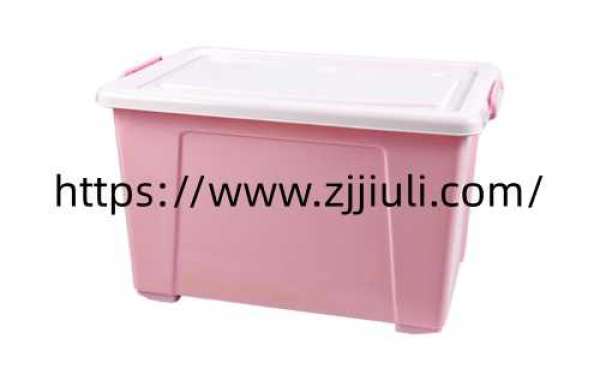
Home Organization Box customization allows manufacturers to respond to different regional preferences, household layouts, and retail requirements. Buyers serving different markets may request specific dimensions, colors, materials, and packaging styles to meet customer expectations. A compact container for an apartment may have different requirements from a larger product intended for clothing, toys, or seasonal belongings. Understanding these differences helps manufacturers develop practical storage solutions for retailers, wholesalers, and private label businesses.
Before beginning a customization project, manufacturers should discuss the intended audience and sales channel with the buyer. Customers living in smaller homes may prefer compact designs that fit wardrobes, kitchen cabinets, or shelves. Families may need containers in several capacities to organize toys, bedding, stationery, and household accessories. Online retailers may prioritize packaging dimensions, product photography, and protection during transportation, while physical stores may focus on shelf presentation and coordinated product colors. These considerations provide a useful foundation for product development.
Material selection is another important part of the process. Plastic materials can be molded into different shapes, sizes, and configurations to accommodate a range of household applications. Transparent containers allow users to identify stored belongings without opening the lid, while colored options can complement different interior styles. Buyers should discuss material specifications, wall thickness, surface finish, cleaning requirements, and expected handling conditions with the manufacturer. Evaluating these details before production helps align product construction with intended use and budget expectations.
Dimensions and structural features should reflect how customers plan to use the product. Containers for bathroom accessories may require a compact footprint, whereas designs for blankets or seasonal clothing may need greater capacity. Manufacturers can adjust length, width, height, lid configuration, and compartment layouts to suit particular applications. Stackable structures may help users organize vertical space, and integrated handles can make containers easier to move. When developing several sizes within one collection, buyers should consider whether the products can be stored together and presented as a coordinated range.
Color and branding choices also influence how a product fits a retail collection. Neutral shades may complement understated home interiors, while brighter colors can suit children's rooms, craft supplies, or hobby materials. Businesses developing private label products can discuss logo placement, customized colors, printed labels, and packaging artwork with their manufacturing partners. Approved samples and clear design specifications help both parties confirm the expected appearance before production begins. Packaging should provide useful details about dimensions, applications, care instructions, and included components so customers can evaluate the product with confidence.
Production planning requires clear communication between buyers and manufacturers. Important topics include minimum order quantities, sampling arrangements, tooling requirements, production schedules, quality inspection procedures, and delivery expectations. A retailer testing a new product range may want to review samples before placing a larger order. A wholesaler serving multiple customers may require several sizes or colors within one shipment. Documenting material specifications, dimensions, color references, packaging details, and inspection criteria can reduce misunderstandings and provide a consistent reference for future orders.
Market preferences can also change over time. Feedback from retailers and end users may reveal demand for different capacities, easier access to stored items, simpler cleaning, or packaging suited to particular sales channels. Manufacturers can use these observations to adjust existing designs or develop additional product variations. Reviewing customer feedback alongside production costs and distribution requirements helps businesses make informed decisions about future collections. Instead of changing every product, buyers may be able to expand an existing range through compatible sizes, additional colors, or revised packaging.
For retailers, wholesalers, and brand owners, successful customization begins with clear requirements and practical cooperation. Zhiguang provides plastic storage products and customization options for businesses serving different customer groups. Buyers can discuss product dimensions, materials, colors, packaging, and order specifications according to their intended applications. Visit https://www.zjjiuli.com/product/ to review available product categories and consider options for your next collection. By matching product details with local preferences and retail needs, businesses can develop storage ranges that reflect their brand identity and serve everyday household requirements.






