
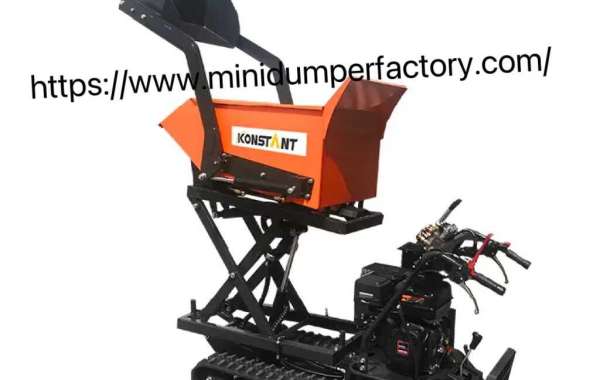
Power Barrow selection is an important decision for buyers who need compact transport equipment for construction, agriculture, landscaping, and material handling tasks. Before choosing suitable equipment, customers should consider working environments, material types, load requirements, machine design, and future maintenance needs. A clear understanding of project conditions helps buyers select equipment that matches their daily operation requirements.
Understand the Application Environment
Before purchasing compact transport equipment, buyers should first identify where and how the machine will be used. Different working areas can create different requirements.
Construction projects may involve moving building materials, waste, sand, or other supplies across changing surfaces. Agricultural work may require transporting feed, tools, soil, or other items around outdoor areas. Landscaping projects often involve moving plants, stones, and garden materials through limited spaces.
The working environment affects equipment selection. Buyers should consider access space, ground conditions, travel distance, and the type of materials that need to be transported.
Review Load Requirements and Product Structure
Every project has different transportation needs. Buyers should evaluate the expected load size and the frequency of operation before making a purchase.
Important product details may include carrying ability, container design, machine dimensions, control methods, and unloading functions. These features can influence whether the equipment fits the intended tasks.
A suitable design should support daily operations while matching the working conditions of the project. Reviewing technical information in advance helps customers understand available options.
Consider Mobility and Working Conditions
Many projects require equipment that can move through different areas. Buyers should think about whether the machine will operate on flat surfaces, narrow paths, slopes, or uneven ground.
Compact transport machines are often used in locations where larger vehicles may not be practical. The ability to move through smaller spaces can be useful for renovation work, gardens, farms, and construction areas.
Customers should communicate their site conditions clearly so the manufacturer can provide information related to the intended application.
Check Operation and Maintenance Needs
Before purchasing equipment, buyers should consider daily operation and future maintenance. Simple operation methods can help users become familiar with the machine more easily.
Maintenance planning is also important. Customers can review information about regular checks, component replacement, and service requirements before ordering.
Understanding these details helps buyers prepare for long-term equipment use and reduce possible difficulties during operation.
Evaluate Product Support and Communication
Good communication plays an important role during the purchasing process. Buyers should discuss product specifications, delivery arrangements, documentation needs, and technical questions before confirming an order.
minidumperfactory focuses on compact material handling equipment and provides solutions for customers in construction, agriculture, and landscaping fields. The company communicates with buyers to understand project conditions and provide suitable product information.
Questions Buyers Should Ask Before Choosing Equipment
Before making a decision, customers can review several practical questions:
What materials will the equipment transport?
How often will the machine be used?
What type of surface will it operate on?
Are the size and design suitable for the working area?
What maintenance support is available?
These questions help buyers compare different options and select equipment based on actual needs.
Selecting Equipment Based on Real Project Needs
Choosing suitable transport equipment requires attention to application conditions, product features, operating requirements, and future planning. Buyers who carefully review these factors can create a smoother purchasing process and select machines that fit their projects. With experience in compact equipment production and customer-focused communication, minidumperfactory provides solutions for different industries and working environments. Customers can view more product details and available options at https://www.minidumperfactory.com/




