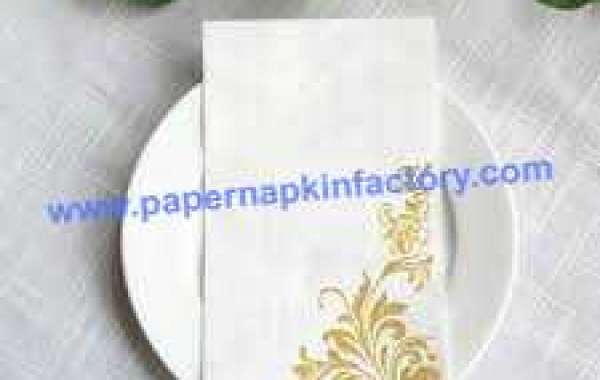
A host setting a long table for a celebration rarely thinks about paper engineering, yet the napkin on each plate carries quiet responsibility. A Party Printed Paper Napkins Manufacturer decides how that square of paper feels against the skin, how much it absorbs, and how gracefully it holds a printed design, and the team behind papernapkinfactory treats those choices as craft rather than routine. So what separates a light single-ply sheet from a cushioned triple-ply one, and why should a buyer care?
Ply simply counts the paper layers bonded into one sheet. A single-ply napkin feels crisp and economical, suiting casual gatherings where napkins mainly guard against drips. Two-ply hits a middle ground that restaurants love: soft on the face, sturdy in the hand, priced for daily service. Three-ply steps into premium territory, offering plushness that matches formal dinners and keeps printed artwork looking rich under candlelight.
Absorbency rises with layer count, but so does the subtle sense of quality a guest registers without knowing why. A thin sheet wicks a spill yet may surrender its shape; a layered sheet cushions the touch and survives a full course. Strength matters too, since nobody wants lint on dark clothing or a tear during enthusiastic use. Calibrating softness, bulk, and tensile strength is where manufacturing experience shows.
Size interacts with ply in ways buyers often overlook. A small beverage napkin printed on heavy stock feels dense and luxurious, while the same ply cut into a large dinner format can turn stiff and board-like in the lap. Factories adjust fiber direction, emboss patterns, and fold geometry so each format drapes naturally, stands upright in a glass, or rests beside silverware without dominating the setting.
Cost rises with ply, yet not in a straight line. Bonding layers demands adhesive quality, calendering pressure, and precise registration so edges align cleanly, and each step adds skill rather than raw material alone. Freight weight climbs as well, which matters for buyers shipping across regions. A quotation that seems high for three-ply often hides savings elsewhere: guests finish meals with napkins intact, so consumption per table drops and waste bins stay lighter.
Buyers planning a tasting or venue visit can run simple checks on the spot. Hold a sheet toward the light and look for uniform density without thin windows. Press a thumb into the surface and watch how quickly the paper springs back. Place a spoonful of water on one corner and time how long the spot stays contained. These three gestures translate spec-sheet jargon into felt experience within minutes.
How Ply Shapes the Guest Experience
Printing interacts closely with ply. Heavier sheets carry ink with fewer show-through marks, accept embossing with crisper ridges, and hold foil accents that catch light across a decorated table. A fine monogram on flimsy stock can blur at the edges, while the same artwork pressed into dense fiber stays sharp through dessert and coffee. Designers at quality factories plan artwork around the chosen ply from the start.
Event type should steer the decision. Cocktail settings favor compact, lighter napkins that guests hold between sips. Buffet lines punish thin sheets, where plates pile high and hands stay busy. Seated dinners reward thicker ply, because the napkin rests beside silverware as part of the visual landscape. Budget follows function rather than habit; overspending on ply for a backyard cookout wastes money, while underspending at a gala quietly undermines the tablescape.
Material origin deserves attention as well. Virgin fiber gives brightness and a smooth print surface, while recycled content appeals to hosts who weigh environmental impact. Some factories blend both, pairing a recycled core with a virgin facing sheet so guests touch softness while the footprint shrinks. Asking a supplier where fiber comes from, and how sheets are whitened, reveals plenty about priorities.
Texture trends move in cycles worth watching. Colored core sheets, where a tinted middle layer peeks from the edge, add depth to printed borders without extra ink. Deeper embossing patterns now mimic linen weaves, giving hosts a cloth impression at paper prices. Some hosts mix constructions across a single event, pairing heavy dinner napkins with lighter cocktail sheets so the budget concentrates on the moments guests notice most, such as the place setting photograph that survives long after the last toast.
Somewhere between the sample box and the final invoice, a planner flips through stacks of white, testing each against a thumb and an imagination of the room. Choosing the right ply for that moment is part intuition and part specification, and a Party Printed Paper Napkins Manufacturer that prints, embosses, and converts under one roof can guide the trade-offs with real production knowledge. Readers weighing options for an upcoming event can browse ply ranges, print styles, and material notes at https://www.papernapkinfactory.com/product, where product pages lay out each construction in plain terms.