
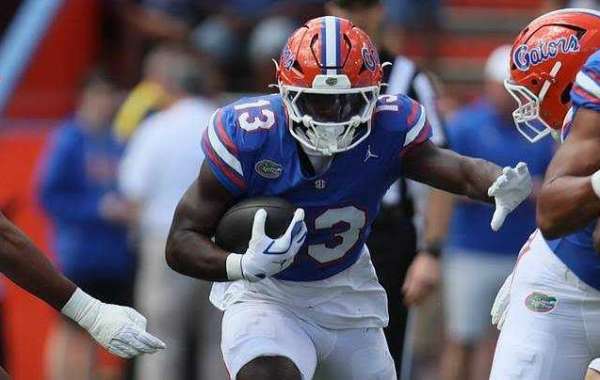
Beating man coverage starts with giving defenders conflicting assignments, not merely finding the fastest receiver. Whether you are evaluating roster upgrades or exploring College Football 27 Coins, remember that timing and complementary routes can make an ordinary matchup productive. Build each passing concept around a clear first read, supporting movement, and an accessible outlet.
Read Leverage Before Choosing Your Target
Before the snap, study where each defender stands relative to his receiver. Inside alignment generally makes an immediate inside release harder, while outside alignment can leave room toward the middle. Let that positioning guide your route selection rather than forcing a favorite throw.
Then locate potential help. A deep middle safety can discourage posts, while two deep safeties may leave underneath space available. These alignments offer clues, not guarantees. Confirm the coverage after the snap, especially when a defender drops away instead of following his apparent assignment.
Make Crossing Routes Work Together
Pair shallow crossing routes at slightly different depths so receivers pass through the middle without arriving at the same spot. Their movement can force trailing defenders to navigate traffic, creating a brief throwing window even when neither receiver has exceptional speed.
The goal is natural separation through route spacing, not deliberate contact. Keep releases clean and avoid crowding every route into one lane. Throw as the receiver clears the congestion; waiting until he looks completely open gives the trailing defender time to recover.
Give Defenders Difficult Choices
Combine a short out with a deeper corner route, or place a shallow cross beneath a deeper crossing route. Read the relevant help defender: if he attacks the underneath route, inspect the space behind him. If he stays deep, take the shorter completion.
Where the playbook offers option routes, understand their intended adjustments before calling them. A receiver breaking away from leverage can provide an efficient answer, but the throw must match his actual movement. Do not assume every route will adjust automatically.
Use Speed as Support, Not the Entire Plan
A fast receiver can punish isolated coverage, particularly without safety support. However, repeatedly asking him to win vertically makes the offense predictable. Complement that threat with underneath routes that remain useful when defenders protect against the deep ball.
Establish a simple progression: inspect the primary matchup, confirm the help defender, then reach the outlet. A running back in the flat or a short settling route can preserve the possession. Release the ball before pressure turns a manageable gain into a forced pass.
Better passing comes from making defenders react to coordinated movement. While considering cheap NCAA 27 Coins, keep route spacing, leverage reads, and safe decisions at the center of your offensive approach.

Posts populares
-
 [WORK] His Ria Ultratumba Discovery Channel Horario Pc Crack Zip Download Activator Ful
De unemflokep
-
 HOT! Rar Holt Geometry Homework And Practice Workbook Answers Full Version Pdf Downlo
De rindcemipir
-
 Utorrent Ed U A.T FRP Pc Exe File Patch Activation 32
De sihesichoud
-
 File Lagu Dance Mon Utorrent Rar Pc X64 License Serial
De sihesichoud
-
 Torrents Ek Baby Tin Badmash In Dubbed Dubbed Hd Hd Bluray Watch Online
De pasperglinad