
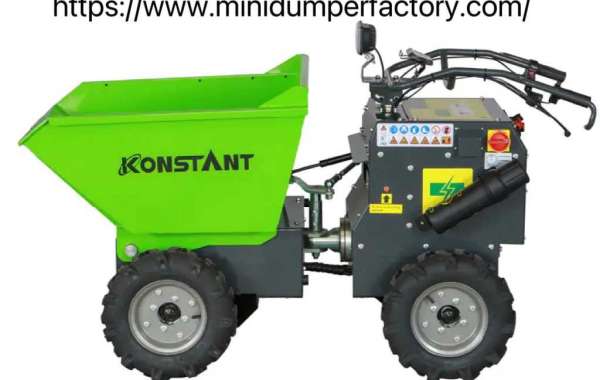
Mini Dumper Manufacturer selection starts with understanding your application, required specifications, and purchasing expectations. Importers, distributors, construction contractors, and rental businesses need to consider more than the initial quotation. Reviewing machine suitability, production arrangements, inspection procedures, and delivery terms can help buyers prepare a clear order and reduce misunderstandings during the purchasing process.
Identify Your Material Transport Requirements
Different working environments create different equipment requirements. Construction projects may involve moving sand, gravel, bricks, and demolition debris. Landscaping operations may require transporting soil, plants, mulch, and garden waste, while agricultural businesses may move fertilizer, feed, or harvested materials.
Before requesting a quotation, describe the intended application, estimated load weight, operating frequency, transport distance, and ground conditions. This information helps the production team understand the tasks the equipment needs to perform.
Access restrictions also deserve attention. Measure narrow entrances, pathways, turning areas, and storage spaces. If the machine must operate between buildings or in confined work areas, its overall width and maneuverability should be considered alongside carrying capacity.
Prepare these details before comparing models so that discussions focus on practical requirements rather than appearance alone.
Compare Technical Specifications
Request a specification sheet for every model under consideration. Important details include rated payload, hopper capacity, machine dimensions, drive configuration, power system, ground clearance, and unloading method.
Payload and hopper volume describe different characteristics. Lightweight materials may occupy considerable space without reaching the permitted weight, whereas dense materials can reach the load limit before the hopper is full. Buyers should evaluate both measurements according to their intended materials.
The drive configuration should also match the working surface. Tracked equipment and wheeled equipment can suit different operating conditions, depending on terrain, maneuverability, and the manufacturer's stated recommendations for each model.
Unloading arrangements are equally important. Ask how the hopper tips, where materials are discharged, and which controls are used. The configuration should suit the available unloading space and the workflow at your jobsite.
Written specifications allow buyers to compare equipment consistently and clarify which features are included in the quotation.
Ask About Assembly and Inspection Procedures
Understanding how an order is assembled and checked can help buyers prepare their purchasing requirements. Ask which production stages are carried out internally, how component specifications are recorded, and how the agreed configuration is communicated to the assembly team.
For bulk purchases, consistency between units may be important for inventory management and customer deliveries. Confirm how changes to colors, accessories, labels, or technical configurations are documented before production begins.
Inspection arrangements should be discussed before the order is confirmed. Depending on the model, checks may include engine operation, control response, tipping functions, visible connections, assembly details, accessories, and packing condition.
If visiting the production site is not practical, request current workshop photographs, operating videos, or a remote inspection. For larger orders, agree on an inspection checklist and clarify which records or images will be supplied before shipment.
Clarify Customization and Packaging
Distributors and private-label businesses may require equipment adapted to their target markets. Potential requests include body color, logo placement, nameplates, labels, accessories, and customized packaging.
Ask which options are available and whether they affect the price, minimum order quantity, or production schedule. Provide clear artwork and written instructions before work begins, especially when logos or labels must follow specific dimensions.
Packaging should also be discussed early. Confirm how the machines will be secured for transportation, whether protective materials are included, and what packing information can be provided for shipment planning.
Keep the agreed specifications in a written document. This helps both parties verify the requested details and gives your purchasing team a reference for future orders.
Review Maintenance and Spare Parts
Long-term operating plans should include routine maintenance and replacement components. Depending on working hours and site conditions, equipment may require periodic servicing and replacement of consumable parts.
Ask whether operating manuals, maintenance instructions, parts lists, and component identification information are available. Clarify how replacement parts can be ordered and what details are needed to identify the correct items.
For overseas distributors, technical documentation can support communication with end customers. You may also want to discuss whether frequently required components can be included with an order or purchased separately.
Review warranty conditions in writing, including the coverage period, applicable requirements, claim procedure, and any exclusions. Clear information helps your team plan service responsibilities and explain support arrangements to customers.
Compare Quotations and Delivery Arrangements
A quotation should identify the exact model, rated payload, dimensions, power configuration, drive system, unloading method, included accessories, customization, and packaging. Comparing these details helps reveal differences between offers that might otherwise appear similar.
Commercial conditions deserve the same attention. Confirm the order quantity, payment schedule, expected production timeline, destination, shipping method, and responsibilities for freight and related charges.
For international orders, ask which export documents will be supplied and whether additional requirements apply in the destination market. If the equipment is needed for a scheduled project, explain the target delivery date early and request a proposed timeline.
A consistent comparison sheet helps purchasing teams evaluate the full order rather than focusing on the quoted machine price alone.
Prepare Your Inquiry Before Contacting the Team
Gather your intended application, material type, estimated load, site measurements, preferred configuration, order quantity, destination, and customization requirements. Include questions about inspection, maintenance documents, spare parts, packaging, and delivery arrangements.minidumperfactory provides product information for businesses evaluating compact transport equipment for construction, landscaping, agriculture, and related applications. Visit https://www.minidumperfactory.com/product/ to review available models, identify configurations relevant to your project, and prepare specific questions about technical specifications and order requirements before discussing your needs with the team.






