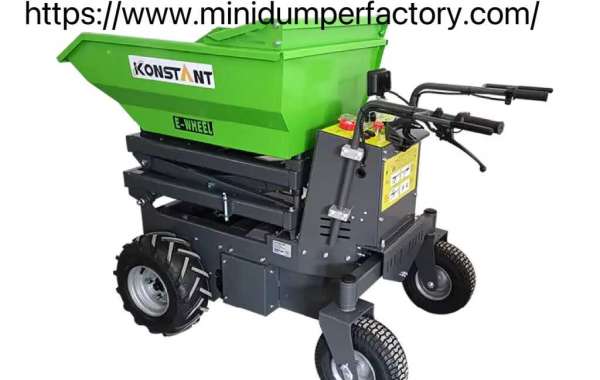
Mini Dumper purchasing decisions require careful consideration of the intended application, working environment, and daily material transport requirements. Construction contractors, landscaping companies, agricultural businesses, and equipment distributors may need different machine configurations for moving soil, gravel, plants, building supplies, or other materials. Before requesting a quotation, buyers should establish clear operating requirements and evaluate whether the proposed equipment can accommodate the workload, site conditions, and maintenance arrangements.
Determine the Required Load Capacity
Load capacity is an important factor when comparing compact transport machinery. A machine that carries insufficient material per trip may increase travel time and labor requirements, while an unnecessarily large unit may create difficulties in restricted working areas.
Start by estimating the weight and volume of the materials being transported. Soil, sand, and gravel can place considerable weight on the machine, whereas leaves, branches, and mulch may fill the container before reaching its rated payload.
Buyers should compare the rated load with the expected material density and daily workload. Confirm the manufacturer's specified limits and avoid treating container volume as an indication of permissible weight. These figures serve different purposes and should be evaluated together.
Measure the Worksite Before Selecting a Model
The dimensions of the machine must correspond to the available working space. Narrow gates, temporary access routes, garden paths, and crowded construction areas can restrict movement, even when a machine has sufficient carrying capacity.
Measure entrance widths, turning areas, overhead clearances, and unloading zones. Compare these measurements with the manufacturer's published dimensions and allow sufficient space for safe maneuvering.
The surface also affects equipment suitability. Firm concrete, loose gravel, muddy soil, and uneven ground create different operating conditions. Buyers should explain these conditions to the supplier and request guidance based on the specifications of the actual model under consideration.
Compare Wheels, Tracks, and Power Sources
Drive configuration influences traction, maneuverability, and maintenance requirements. Wheeled models may suit established paths and firm surfaces, depending on tire design and load conditions. Tracked models may be appropriate for certain soft or uneven surfaces, subject to the manufacturer's operating limits.
Power source is another consideration. Fuel-powered equipment may be practical for outdoor jobs without convenient charging facilities. Electric configurations may suit applications where charging access, noise considerations, and local emissions requirements support their use.
Before making a choice, review the expected operating duration, available energy supply, maintenance arrangements, and terrain. Ask the supplier to clarify any limitations involving slopes, ground conditions, or continuous operation.
Examine the Loading and Discharge Process
Material handling involves more than transporting a load from one location to another. The machine must also accommodate the way materials are loaded and discharged at the destination.
Review the container shape, opening dimensions, tipping mechanism, and discharge clearance. A landscaping project may require precise placement near planting beds, while a construction site may involve unloading into a designated collection area.
If the equipment needs to discharge materials into a trailer or container, confirm the relevant height and clearance measurements. Buyers should also establish whether the required mechanism is included in the quoted configuration or offered as an optional feature.
Review Operator Safety and Ease of Use
Operating controls should be understandable to the people who will use the machine. Buyers should review the braking system, steering arrangement, operator position, visibility, and documented safety features before ordering.
Request the operating manual and check whether the instructions cover loading, reversing, unloading, parking, and routine inspections. Operators should understand the rated load and the restrictions for working on slopes or uneven surfaces.
Businesses purchasing equipment for multiple employees should consider training requirements and establish site-specific operating procedures. For imported machinery, verify applicable local requirements concerning safety documentation, emissions, labels, and equipment certification before confirming the purchase.
Calculate Maintenance and Running Costs
The initial purchase price is only one part of the total ownership cost. Routine servicing, fuel or electricity, replacement parts, transportation, and equipment downtime can all affect the operating budget.
Ask for the recommended maintenance schedule and identify the components that require regular inspection. Depending on the model, these may include tires or tracks, hydraulic components, electrical systems, braking equipment, and the engine or motor.
Warranty terms also deserve attention. Buyers should confirm the coverage period, exclusions, service procedures, and arrangements for obtaining replacement components. Reliable access to technical information and spare parts can help businesses plan maintenance and manage interruptions.
Check the Supplier's Documentation and Delivery Terms
Before placing an order, request a written quotation that identifies the selected model, payload rating, dimensions, power source, included accessories, and other relevant specifications.
International purchasers should also confirm packaging details, shipping dimensions, delivery estimates, export documents, and the allocation of transportation costs. If several units are required, clarify the configuration and quantity in the purchase agreement.
When comparing suppliers, evaluate their responses against the same technical checklist. Clear documentation makes it easier to identify differences between quotations and helps prevent misunderstandings about included equipment or delivery arrangements.For businesses planning construction, landscaping, or agricultural material transport, minidumperfactory offers a starting point for reviewing available machinery and product specifications. Buyers can visit the official product catalog at https://www.minidumperfactory.com/product/ to compare available configurations and identify equipment that matches their site dimensions, payload requirements, unloading arrangements, and intended working conditions before contacting the supplier.