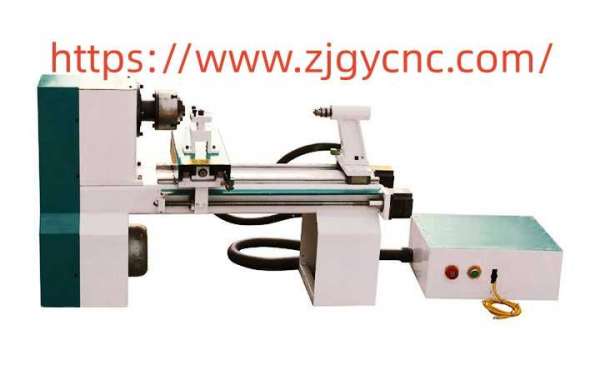
Mini CNC Lathe selection starts with a practical review of the parts you plan to manufacture, the materials involved, and the available workshop space. Buyers should also consider production volume, dimensional tolerances, tooling requirements, and operator experience before comparing equipment. A machine that fits the actual workload can help a workshop organize its production process and avoid paying for functions that are not needed.
Define the Parts You Need to Produce
Before contacting a manufacturer, prepare a list of representative workpieces. Include their length, diameter, material, shape, and key dimensions. This information helps establish the working capacity required for daily operations.
Different components can involve different machining tasks. Some may require external turning and facing, while others need boring, grooving, threading, or drilling. Buyers should identify these operations before discussing machine configuration with a supplier.
It is also useful to separate regular orders from occasional projects. If a workshop frequently changes between component types, setup flexibility may be an important consideration. For repeat production, the ability to maintain consistent setups and manage tool changes may deserve greater attention.
Providing sample drawings allows the manufacturer to assess the intended applications more clearly. It also gives both parties a practical basis for discussing machine dimensions, tooling arrangements, and potential limitations before an order is placed.
Check Spindle Capacity and Workholding
Spindle specifications should match the materials and cutting operations involved. Buyers should review spindle speed, power, torque, spindle bore, and the available workholding arrangement. These factors influence which workpieces can be accommodated and what cutting conditions may be suitable.
For example, turning aluminum parts and machining steel components can involve different cutting parameters. The required spindle performance depends on material properties, workpiece geometry, tool selection, and the depth of cut.
Workholding is equally important. Check whether the proposed chuck or clamping method suits the dimensions and shape of your parts. Components that are slender, irregular, or difficult to secure may require additional consideration during setup.
Ask the supplier to explain which workholding accessories are included in the quotation. If special fixtures or additional tooling are necessary, confirming those requirements early can help you prepare a more realistic purchasing budget.
Review Tooling and Control Functions
The available tool arrangement affects how different operations can be completed. Buyers should list the tools needed for their regular jobs and compare this list with the proposed configuration.
Consider the number of tool positions, tool dimensions, replacement procedures, and access around the work area. If a component requires several machining stages, discuss how tool changes will be managed and whether additional equipment is needed.
The control system also deserves attention. Check programming methods, file input options, operator interface, documentation, and training support. Existing operator experience may influence how easily a workshop can introduce the equipment into its current workflow.
For businesses that are new to automated turning, ask the manufacturer about commissioning guidance and routine operating procedures. Clear technical information can help operators understand setup requirements and respond to common production issues.
Evaluate Accuracy and Inspection Requirements
Accuracy should be considered in relation to the finished part drawing rather than a general product description. Buyers should identify critical dimensions, allowable tolerances, and required surface finishes before comparing specifications.
Ask the supplier how positioning accuracy and repeatability are defined and measured. Where suitable, request a sample machining test using a representative workpiece or discuss the inspection records available for the proposed configuration.
Finished-part results can also depend on tooling condition, workholding stability, material variation, temperature, and operator procedures. For this reason, buyers should review the complete machining process instead of relying on one specification in isolation.
A clear inspection plan can help both the buyer and manufacturer agree on how the intended application will be assessed before production begins.
Consider Maintenance and Daily Operating Costs
The initial purchase price does not cover every expense associated with operating a machine. Buyers should consider tooling, fixtures, installation, transportation, operator training, consumables, and scheduled servicing when preparing a budget.
Maintenance arrangements can influence the workshop's routine. Ask about lubrication intervals, cleaning requirements, inspection procedures, spare-part availability, and technical support. It is also useful to clarify warranty coverage and the process for requesting assistance.
Chip removal and coolant management deserve attention as well. The required arrangement depends on the materials being machined and the type of chips produced. Confirm whether the proposed equipment includes the necessary collection or coolant accessories, or whether they must be purchased separately.
Plan for Future Production Changes
A machine should be assessed against current requirements while allowing reasonable consideration of future orders. Buyers may need to produce different component dimensions, handle new materials, or adjust production quantities over time.
Discuss possible changes with the manufacturer before selecting optional features. Additional tooling, loading accessories, or automation may be useful for particular workflows, but each option should have a clear purpose and fit the available budget.For buyers comparing equipment from zjgycnc, preparing part drawings, material details, tolerance targets, and expected production quantities can make technical discussions more productive. Visit https://www.zjgycnc.com/ to review the company and its machine tool offerings, then contact the manufacturer to discuss the configuration that aligns with your components, workshop layout, and production plans.