
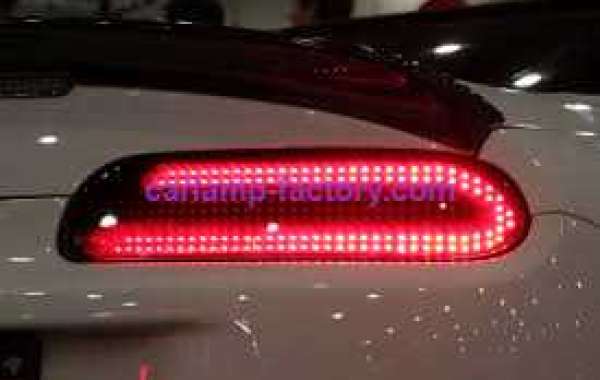
How Does a Car LED Tail Lights Factory Support OEM and ODM Orders?
When automotive brands, aftermarket distributors, and wholesale buyers plan a new lighting project, they need a manufacturing partner that understands product design, vehicle compatibility, production planning, and quality control. A Car Led Tail Lights Factory such as carlamp-Factory helps connect these requirements through coordinated development and manufacturing services. How can the right factory turn an initial product concept into a practical lighting solution for a target vehicle market?
Understanding OEM and ODM Cooperation
OEM and ODM arrangements serve different business needs, so buyers should identify their preferred cooperation model before requesting a quotation. Under an OEM arrangement, customers generally provide established specifications, drawings, samples, or reference products, while the factory manufactures components according to the agreed requirements. This model suits businesses that already have a defined product concept and need manufacturing support.
ODM cooperation involves a greater contribution from the supplier during product development. Depending on the project scope, the factory may assist with design proposals, housing structures, lighting arrangements, and product configuration. This approach can suit distributors or automotive brands that want to develop a distinctive product without managing every engineering detail internally.
For either arrangement, clear communication at the beginning helps prevent misunderstandings during production. Buyers should explain the intended vehicle application, target market, estimated order volume, packaging preferences, and technical expectations. A shared understanding of these details gives both parties a practical foundation for discussing feasibility, development schedules, and commercial terms.
From Product Concept to Manufacturing Plan
Automotive lighting development begins with a careful review of the vehicle and its installation requirements. Tail lamps must correspond to the vehicle's rear body structure, mounting positions, connector arrangement, and electrical system. Even when two vehicles appear similar, differences in their body dimensions or wiring configurations may affect whether a lamp can be installed correctly.
During the early project stage, buyers can provide reference photographs, original product samples, technical drawings, or vehicle information. These materials help the factory understand the intended design and identify details that require confirmation. If a project involves a customized appearance, the discussion may also cover lens styling, housing shape, light distribution, and the arrangement of individual lighting functions.
Design development should consider appearance and practical operation together. A visually distinctive lamp still needs suitable illumination, dependable connections, secure sealing, and a structure appropriate for its intended environment. By reviewing these factors before mass production, the project team can identify design concerns while adjustments remain manageable.
Customization, Samples, and Technical Communication
Customization is an important part of OEM and ODM cooperation, particularly for businesses serving different vehicle models or regional markets. Depending on product feasibility, a project may involve changes to the external appearance, lens treatment, housing details, lighting layout, or packaging presentation. The available options depend on the customer's requirements and the factory's production capabilities.
Sample evaluation gives both parties an opportunity to examine the proposed product before committing to a larger manufacturing run. Buyers can review physical fit, connector compatibility, visual consistency, assembly details, and the operation of relevant lighting functions. Any concerns should be recorded clearly so that the factory can assess whether adjustments are necessary.
Technical communication should continue throughout development rather than ending after the first quotation. Drawings, sample comments, approved specifications, and revision records help establish a common reference for the project team. When a change is requested, the parties should confirm its effect on tooling, materials, testing, production timing, and cost before approving the revised plan.
This process is particularly useful for overseas buyers who may not be able to visit the production site during every stage. Organized documentation and timely feedback help maintain alignment between the purchasing team, product designers, and manufacturing staff.
Production and Quality Control
A manufacturing partner needs a production process that can translate an approved design into repeatable output. At Taizhou Baozhiwei Vehicle Industry Co., Ltd., the business covers automotive lighting research, design, production, and sales, with products including headlamps, tail lamps, indicator lights, and daytime running lights. Its manufacturing activities include product design, injection molding, assembly, and testing.
For an OEM or ODM order, quality checks should correspond to the product specification and intended application. Relevant inspection points may include housing appearance, lens condition, component assembly, electrical operation, connector fit, and sealing performance. The precise inspection plan should be agreed upon according to the product type and applicable requirements.
Buyers should also clarify how production samples are approved, how inspection results are documented, and how nonconforming units are handled. These arrangements provide a defined process for addressing concerns and help both parties maintain consistent expectations throughout the order.
Production planning deserves equal attention. Material availability, tooling preparation, sample approval, manufacturing capacity, and shipping arrangements can all influence the delivery schedule. Discussing these factors before an order enters production helps purchasers plan inventory and coordinate distribution activities with greater confidence.
Choosing a Manufacturing Partner for Long-Term Cooperation
Selecting an automotive lighting supplier involves examining the complete working relationship rather than judging a product from photographs alone. Buyers should consider the supplier's relevant product experience, customization capabilities, communication practices, inspection procedures, and ability to understand the requirements of the intended market.
It is also useful to establish a clear quotation process. The request should identify the vehicle model, reference product, customization scope, order quantity, packaging needs, and destination market. When these details are available, the factory can evaluate the request with a clearer understanding of the project and identify information that still requires confirmation.
Long-term cooperation depends on realistic commitments and transparent communication. Changes in vehicle specifications, packaging requirements, or order quantities should be discussed promptly, with both parties confirming the practical consequences before moving forward. A structured process supports product consistency and helps businesses manage their supply arrangements responsibly.
For automotive brands, wholesalers, and aftermarket distributors, choosing a reliable manufacturing partner is an important step in developing suitable lighting products for different vehicle applications. A Car Led Tail Lights Factory can support OEM and ODM projects through product customization, sample evaluation, production coordination, and quality checks. Buyers looking for practical automotive lighting options can explore the available tail lamp range and discuss their project requirements at https://www.carlamp-factory.com/ to find a suitable solution for their target market.






