
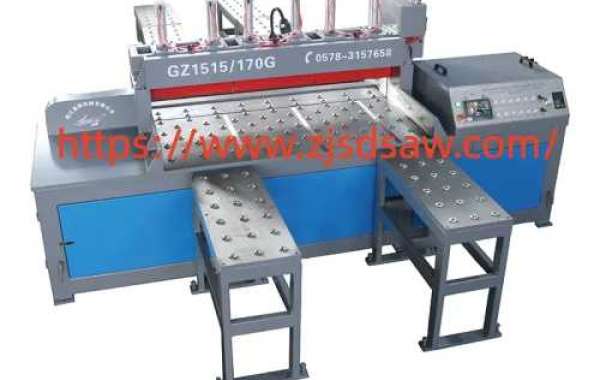
Aluminum Plate Cutting Circular Saw Machine selection requires buyers to look beyond the purchase price and consider how the equipment will perform in their actual production environment. Plate dimensions, material properties, required tolerances, and daily output all influence the decision. A workshop processing thick aluminum alloy stock may have different requirements from a facility producing smaller components in repeated batches. Defining these needs before contacting a manufacturer helps buyers compare suitable configurations and avoid paying for functions they may not use.
The first step is to identify the dimensions of the material being processed. Buyers should record the maximum plate thickness, width, length, and weight, along with the usual range of workpiece sizes. These measurements help determine the required working capacity and the support needed during operation. Large plates can be difficult to position without suitable handling arrangements, while narrow pieces may require different clamping considerations. It is useful to provide actual drawings or sample dimensions when requesting a quotation, rather than relying on general descriptions of the intended application.
Blade specifications deserve careful attention as well. Aluminum alloys vary in composition and mechanical properties, so the blade must suit the material, thickness, and required surface finish. Tooth geometry, blade diameter, rotational speed, and feed rate can all influence the finished edge. An unsuitable combination may contribute to burrs, uneven surfaces, excess heat, or unnecessary tool wear. Buyers should ask the manufacturer which blade configurations are recommended for their particular materials and whether operating parameters can be adjusted for different production tasks.
Workpiece positioning is another practical consideration. During a cutting cycle, the plate needs adequate support to prevent unwanted movement or vibration. Clamping arrangements should hold the material securely without causing damage, particularly when processing thinner sections or finished surfaces. Buyers should check how the workpiece is loaded, positioned, secured, and removed. A suitable worktable can also make a difference when operators handle large stock throughout the day. For workshops processing heavy plates, it is worth discussing material movement and loading arrangements before finalizing the equipment layout.
The required level of automation depends on the production schedule. A workshop handling occasional orders with frequent specification changes may prefer a configuration that allows operators to adjust settings for different jobs. Facilities processing repeated batches may benefit from automatic feeding and programmable controls, depending on the selected model. Automated functions can help reduce repetitive manual tasks, but their value depends on actual workload, operator experience, and the complexity of the parts being produced. Buyers should compare the functions included in each configuration instead of assuming that every model offers the same operating capabilities.
Dimensional requirements should also be clearly defined. Some applications allow a wider tolerance, while components used in later assembly may require closer control over length, squareness, and surface condition. Buyers should explain the acceptable variation for finished parts and ask how the manufacturer verifies these results. If possible, provide a representative sample for a cutting trial. Inspecting several finished pieces can help reveal whether the proposed setup suits the intended application. It also gives both parties a practical basis for discussing adjustment needs before the order is confirmed.
Production cost involves more than the initial investment. Blade replacement, routine maintenance, electricity consumption, operator time, and material waste all contribute to the long term operating budget. A configuration with automatic feeding may reduce repeated handling in suitable production settings, while a simpler setup may be more appropriate for a small workshop with varied, low volume orders. Buyers should estimate their expected workload and compare the operating requirements of available options. Asking about spare parts availability, maintenance access, operator training, and technical support can also help prepare the business for ongoing use.
Safety and workspace requirements should not be overlooked. Buyers need to check guarding, emergency stop arrangements, workpiece restraint, chip management, and access for routine inspection. The installation area should provide sufficient room for loading materials, removing finished pieces, and carrying out maintenance. Operators should receive appropriate training and follow the manufacturer's instructions for blade changes, cleaning, and adjustment. These considerations help establish a workable process while reducing avoidable interruptions and handling risks.
Before placing an order, buyers should prepare a clear checklist covering material specifications, capacity, blade requirements, dimensional tolerances, automation needs, installation conditions, and service arrangements. They should also ask whether the proposed configuration can accommodate foreseeable changes in product dimensions or order volume. This makes discussions with equipment suppliers more focused and helps ensure that technical details are considered alongside budget and delivery expectations.
For manufacturers seeking equipment for aluminum alloy processing, the right choice begins with matching real production demands to the available specifications. Chendiao offers different sawing configurations, including semi automatic and automatic options for aluminum plate applications, with details varying by model. Buyers can review the product range at https://www.zjsdsaw.com/product/ and compare relevant specifications before discussing material dimensions, operating requirements, and customization needs with the manufacturer.






