
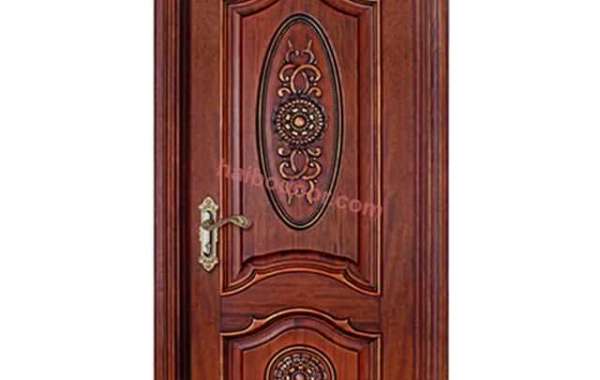
A project buyer comparing HPL door suppliers often receives similar catalogs, similar photos, and similar claims. The difference between a genuine HPL Door Factory and a trading company rarely appears on a price sheet, yet that difference determines who controls quality, delivery timing, and problem resolution once an order is placed. Verifying the supplier behind the quote protects the project from surprises that surface months later. What should a buyer confirm before choosing a manufacturer over an intermediary?
Production capability can be observed directly, and a buyer should insist on seeing it. A factory holds equipment, floor space, and a workforce that a trader does not. The most reliable verification asks for a live video walkthrough of the production line rather than a gallery of finished products. A manufacturer producing HPL doors will show pressing equipment, edge banding stations, cutting lines, and a stock area holding raw boards. A trading company will find reasons to delay that tour or redirect the conversation toward samples and price lists. Haibodoor operates its own production facilities and welcomes buyers to examine the process rather than a brochure, because a factory that controls its line can answer questions about capacity and lead time with specifics rather than estimates.
Certification documents should be tied to the producing entity. Fire ratings, formaldehyde emission limits, and impact test reports carry the name of the laboratory and the name of the manufacturer. A buyer should confirm that the company named on the certificate matches the company issuing the invoice. Trading companies sometimes present certificates belonging to a partner factory, and that arrangement creates a gap between what was certified and what arrives on site. A project that fails inspection because the certificate named a different entity faces delays and rework that no price discount offsets.
Raw material sourcing and core construction separate factories from resellers in ways that matter during installation. HPL doors differ in core material, substrate density, and the grade of the laminate surface. A factory that buys its own boards and controls lamination can speak to these details directly. A trader passes the question along and returns with an answer that may or may not reflect the actual product. Asking how the core is assembled, what adhesive is used, and how the laminate is bonded reveals whether the respondent works inside the process or merely forwards messages between parties.
Customization limits deserve honest answers, and a supplier who declines a request that cannot be met cleanly is offering information worth having. Project specifications often call for specific dimensions, surface finishes, and hardware preparation. A factory knows its tooling limits and will state which requests fall outside them. A trading company tends to accept every request and resolve the difficulty later, when the schedule has tightened and options have narrowed. A clear answer at the quoting stage saves weeks of negotiation after the contract is signed.
Accountability after delivery reveals the structure behind the relationship. Problems with doors appear during installation, when tolerances matter and replacement timelines are tight. A factory can trace a batch, adjust production, and ship a correction. A trader must negotiate with a third party while the project schedule slips. Asking who handles a warranty claim and how a replacement is produced tells a buyer what to expect when something goes wrong, which is the moment a supplier's true nature becomes visible.
A buyer who wants to examine the manufacturing side of this decision can look at how Haibodoor presents its operation and its HPL Door Factory range at https://www.haibodoor.com/, where production details and specification information sit alongside the finished catalog. The company behind that page builds doors on its own equipment, names itself on its documentation, and answers questions about core construction without forwarding them elsewhere. A buyer weighing a quote can ask for the same transparency from any supplier and judge the response against these points.






