
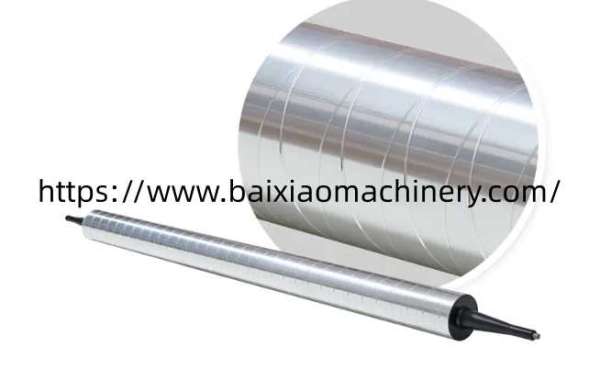
Material handling systems rely on coordinated movement to transfer products between different stages of a workflow. Within these systems, rollers support the movement of cartons, containers, components, and other items across a conveyor path. When evaluating Conveyor Rollers, equipment designers and buyers should consider how the roller's materials, construction, and installation work together with the transported goods and surrounding machinery. A suitable roller is not simply a rotating component; it is part of a complete handling arrangement that must respond to the needs of the production environment.
Material selection influences the roller's durability, handling characteristics, and suitability for different operating conditions. Steel rollers are often considered where a rigid structure and resistance to mechanical wear are important. Stainless steel may be suitable for environments where corrosion resistance or cleaning requirements need particular attention. Plastic rollers can offer a different combination of weight, surface characteristics, and material compatibility. Other designs may use coated surfaces or combinations of materials to meet specific handling needs. Buyers should consider the conveyed product, surrounding conditions, and expected contact rather than selecting a material based only on its appearance.
A thoughtful purchasing process begins with the products being transported. Their shape, surface, weight distribution, and packaging can influence how they interact with the conveyor. A system handling stable cartons may have different requirements from one carrying irregular components or delicate finished goods. Buyers should also examine the layout of the conveyor, the direction of movement, the transfer points, and the relationship between rollers and adjacent equipment. The working environment matters as well: dust, moisture, cleaning practices, and exposure to surrounding materials may affect component selection. Sharing these details with a supplier can help identify a roller design that fits the actual application.
The functional role of a roller extends beyond supporting a product. Its rotation helps reduce resistance as goods move along the conveyor, while its arrangement contributes to the stability and direction of transport. Depending on the system, rollers may be incorporated into gravity-driven sections or powered conveying equipment. In a powered system, the relationship between rollers, drive components, and control arrangements influences how movement is coordinated. The roller surface and construction should suit the conveyed material so that products remain supported during transfer. Proper integration helps the conveyor operate as a connected system rather than a collection of unrelated components.
Manufacturing and assembly quality influence how consistently rollers perform. The roller body, shaft, bearing arrangement, and supporting components need to fit together appropriately. Surface finishing and assembly practices can affect rotation and the interaction between the roller and the conveyed goods. Variations between components may create uneven movement or complicate installation, making manufacturing consistency important for equipment builders. Buyers can ask about production processes, inspection practices, and how the supplier manages product consistency. Reviewing samples and discussing the intended conveyor arrangement can also help identify compatibility concerns before a larger sourcing decision is made.
The user experience of a conveyor system is shaped by how smoothly and predictably materials move through the work area. Stable product movement can make loading, unloading, sorting, and transfer tasks easier to organize. Rollers that suit the conveyed goods may help reduce unnecessary handling, while an appropriate layout can make the workflow more intuitive for operators. Maintenance access is another practical consideration. If rollers can be inspected or replaced without unnecessary disruption, maintenance teams may find it easier to manage routine service. Equipment designers should consider access, guarding, and safe procedures when planning the conveyor structure.
Maintenance planning should reflect the environment and the way the conveyor is used. Rollers may accumulate dust, residue, or other material that affects their surfaces and surrounding components. Regular inspection can help identify unusual movement, visible damage, contamination, or wear. Cleaning procedures should be compatible with the roller materials and follow the equipment manufacturer's guidance. Buyers should also consider whether replacement components can be identified and sourced clearly, especially when a conveyor includes many similar parts. Organized product documentation can support maintenance planning and reduce confusion during service.
Design and appearance influence how rollers integrate into the wider machine. Surface finish, body shape, shaft arrangement, and the relationship between neighboring components can affect the conveyor's overall organization. A well-planned layout can support a clean equipment appearance while leaving room for inspection and service. In some environments, the roller's surface characteristics may also be relevant to product contact and handling. Zhejiang Province, Ruian Baixiao Machinery Co., Ltd. provides a point of contact for businesses exploring machinery and material handling components. Buyers can discuss the conveyed products, conveyor layout, operating environment, and integration requirements when considering suitable roller options. Further information about the company's products is available at https://www.baixiaomachinery.com/






