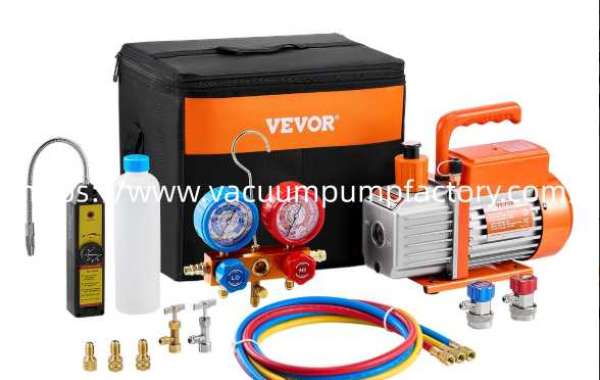
HVAC Vacuum Pump Manifold Gauge Kit purchasing requires buyers to evaluate more than appearance and basic specifications. For importers, wholesalers, and service equipment distributors, the selection process should consider application requirements, component compatibility, measurement performance, and long-term supply arrangements. A suitable product should match the working conditions of its intended users while supporting convenient operation and routine maintenance. Understanding these factors before placing an order can help businesses reduce purchasing risks and select equipment that fits their market.
Identify the Intended Application
Different service environments require different equipment configurations. Technicians working with residential air conditioning systems may have different requirements from those servicing commercial refrigeration installations. Buyers should identify the main applications before comparing available models.
Consider the types of systems that customers commonly maintain, the operating pressure ranges involved, and the frequency of service work. These details help determine whether a particular configuration is appropriate. Distributors should also consider whether their customers need equipment for occasional maintenance or regular professional use.
A clear understanding of the target application makes product comparison more practical and helps prevent unnecessary purchases.
Review Measurement Performance
Measurement performance is an important consideration when selecting professional service equipment. Buyers should review the pressure range, scale readability, measurement units, and display construction.
Clear markings can help technicians read operating conditions during routine inspection. The display should also be suitable for the working environment in which it will be used. For buyers serving different markets, it is useful to check whether available measurement units match local preferences and industry practices.
Suppliers should provide understandable technical information so purchasing teams can compare specifications before confirming an order.
Examine Hose and Connection Compatibility
Hoses and fittings influence how conveniently equipment can be connected to different systems. Buyers should check thread specifications, connector dimensions, hose length, and the materials used in the assembly.
Compatibility is particularly important for distributors supplying customers who work with multiple equipment types. A mismatch between connections can create additional costs and inconvenience during installation or maintenance.
It is also worth checking whether replacement hoses and related accessories are available. Access to compatible components can make future maintenance and product support easier for end users.
Consider Construction and Handling
Product construction affects daily handling and maintenance. Buyers should examine the housing, control components, connection points, and protective features. These details can provide useful information about how the equipment is designed for repeated workshop use.
Weight and overall dimensions also deserve attention. Portable equipment may be easier to store, transport, and organize in a service vehicle. At the same time, the structure should remain practical for the tasks customers perform.
For bulk orders, buyers can request product photographs, technical documents, and samples when available. These materials help purchasing teams review the actual configuration before making larger commitments.
Confirm Accessories and Packaging
Accessory configurations can differ between product models. Before ordering, buyers should confirm which hoses, adapters, connectors, and other components are included. A detailed packing list helps prevent misunderstandings between suppliers and purchasing departments.
Packaging should also be considered, especially for international shipments. Buyers may need to review carton dimensions, protective materials, labeling information, and the number of units packed in each carton.
For private-label or wholesale projects, it is useful to discuss packaging requirements before production. Clear communication about these details can make inventory management and product distribution more convenient.
Evaluate Supplier Communication and Documentation
Reliable purchasing decisions depend on clear communication. Buyers should ask suppliers for product specifications, available configurations, operating instructions, and relevant quality documents.
It is also important to discuss order quantities, production schedules, sample arrangements, and after-sales support. These details help distributors estimate purchasing costs and plan inventory according to customer demand.
A supplier that provides clear product information can make the evaluation process more efficient. Buyers should compare the information received with their own market requirements rather than relying on general product descriptions alone.For importers and distributors reviewing professional service equipment, careful evaluation of specifications, accessories, packaging, and supplier communication can support more informed sourcing decisions. Businesses interested in exploring available product options can visit https://www.vacuumpumpfactory.com/product/ to review relevant equipment and discuss purchasing requirements with vacuumpumpfactory.