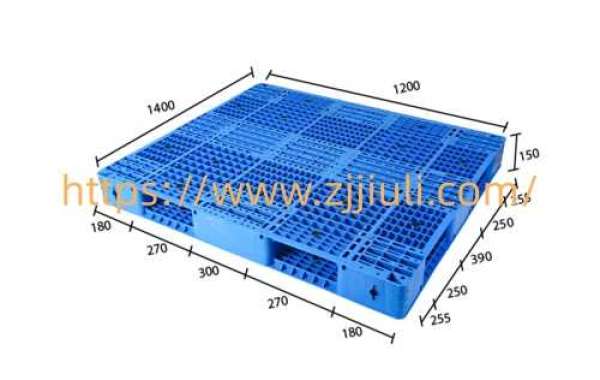
Grid Pallet solutions are becoming an interesting consideration for businesses that want to improve warehouse organization, product handling, and storage flexibility. In manufacturing facilities, agricultural operations, distribution centers, and commercial warehouses, the design of supporting equipment can influence how smoothly daily activities are performed. An open surface structure offers a different approach to traditional storage equipment, particularly in environments where airflow, water drainage, and convenient handling are important. For purchasing managers, understanding these design characteristics can help when comparing products for different working conditions.
Material selection is one of the first subjects worth examining. Plastic has become a widely used material in industrial storage equipment because of its moisture tolerance, convenient cleaning, and adaptability to different manufacturing processes. Common material choices include high-density polyethylene and polypropylene. Each material has its own characteristics, which should be evaluated according to the intended application, surrounding environment, and handling requirements.
High-density polyethylene is often considered when impact resistance and moisture exposure are important factors. Polypropylene may be suitable for applications where structural stiffness and dimensional behavior are relevant. However, material selection should not rely on general descriptions alone. Buyers should discuss operating temperatures, chemical exposure, cleaning methods, and expected working conditions with their suppliers before making a purchasing decision.
Another interesting aspect is the relationship between surface design and workplace conditions. Open construction allows air to move through the supporting surface, which may be useful in environments where ventilation is part of the storage process. The openings can also allow water to drain away rather than collecting across a continuous surface. These characteristics may be relevant to agricultural facilities, produce handling areas, and certain industrial environments.
However, an open structure is not automatically suitable for every product. Small items, unstable packages, or goods with irregular contact surfaces may require additional protective materials or a different supporting design. Buyers should consider the shape of their products and how weight is distributed during transportation. This helps reduce unnecessary handling difficulties and makes the selection process more closely related to actual working requirements.
Storage efficiency is another subject receiving attention as businesses review their warehouse layouts. Available floor space, storage arrangements, handling routes, and inventory turnover all influence equipment choices. Some businesses need products that can be stacked when empty, while others focus on convenient access for forklifts and manual handling equipment. Understanding these requirements before purchasing can help avoid compatibility issues during daily operations.
Structural design also deserves attention. The arrangement of supporting feet, connecting sections, surface openings, and reinforcing features can influence how a product performs during routine use. Different warehouse environments may require different structural arrangements. A facility that handles packaged consumer goods may have different priorities from a workshop dealing with industrial components or agricultural materials.
When reviewing a potential purchase, businesses should also consider how the product interacts with existing equipment. Forklifts, hand trucks, conveyors, storage racks, and automated systems may have specific requirements. Compatibility should be confirmed before ordering, especially when products are intended for use in automated facilities. A practical purchasing process starts with the actual handling route instead of relying only on product photographs or general descriptions.
Cleaning and maintenance are equally important in many industries. Dust, moisture, dirt, and product residue can accumulate during regular warehouse activities. An open construction may provide drainage benefits, but its openings and connecting areas should also be considered during cleaning. Businesses should establish suitable inspection and maintenance routines based on their working environment. Choosing an appropriate cleaning method can help maintain product condition throughout its intended service period.
Sustainability is another topic influencing industrial purchasing decisions. Many companies are reviewing how reusable equipment fits into their environmental management plans. Instead of focusing exclusively on the initial purchase, buyers may also consider product reuse, material recovery, transportation arrangements, and end of life disposal. Reusable plastic equipment can become part of a resource management strategy when supported by suitable handling and recycling arrangements. Actual environmental benefits depend on material composition, service conditions, and the recovery process.
Product appearance can also contribute to purchasing decisions. Industrial equipment does not need complicated decoration to have a practical design. Surface patterns, color selection, edge construction, and overall proportions can influence how products fit into different working environments. Color coding may also help businesses distinguish storage areas, production departments, or material categories. For companies with several facilities, consistent product appearance can support more organized internal management.
User experience is often overlooked when companies compare industrial products. Warehouse employees interact with handling equipment throughout the working day, so convenient positioning, suitable entry points, manageable cleaning requirements, and compatible dimensions deserve attention. Purchasing managers may prioritize procurement arrangements, while warehouse supervisors focus on daily operation. Considering both perspectives helps businesses select products that match their actual workflow.
Customization is another consideration for companies with specific operational requirements. Different industries may need particular dimensions, colors, structural arrangements, or branding details. Working with a manufacturer that understands these requirements can make product selection more straightforward. Buyers should communicate their application, storage environment, handling equipment, and purchasing expectations clearly so that available options can be evaluated appropriately.
For businesses reviewing industrial storage and logistics equipment, Zhiguang offers plastic product solutions designed for different commercial applications. The company focuses on practical product development and manufacturing, helping buyers consider material characteristics, structural design, and application requirements when planning their purchases. Whether a business is updating its warehouse equipment or reviewing options for a new facility, the product range at Zhiguang provides a starting point for evaluating suitable solutions. Visit https://www.zjjiuli.com/ to view the company and its product offerings and find options that align with your business requirements.