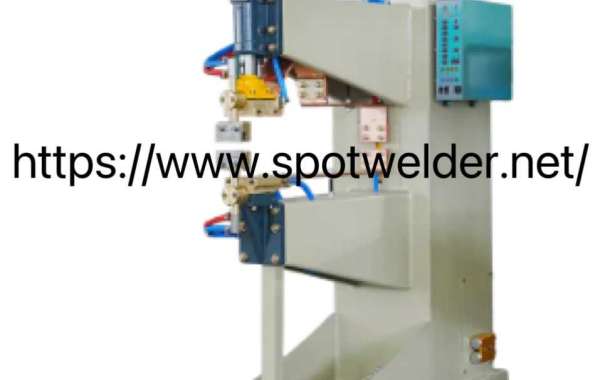
Welding Automation Equipment plays an important role in manufacturing processes that require repeatable metal joining, coordinated machine operation, and organized production arrangements. For manufacturers, wholesalers, and industrial buyers, selecting a suitable configuration involves more than comparing power ratings or external dimensions. The purchasing process should begin with the actual workpieces, production targets, joining methods, and available factory conditions. Reviewing these factors before requesting a quotation can help buyers communicate their requirements clearly and select a solution that matches their applications.
Identify the Materials and Workpiece Requirements
Material characteristics should guide the initial evaluation. Different metals have different electrical and thermal properties, which can influence current requirements, processing duration, electrode design, and applied pressure.
Buyers should prepare information about the materials they intend to process, such as copper, aluminum, iron, or stainless steel. Material thickness, surface treatment, component dimensions, and joint structure should also be included in the technical discussion.
For example, joining thin metal sheets may involve different parameter requirements from connecting thicker components or assembling several metal parts. The manufacturer needs to understand these differences before recommending a suitable configuration.
It is helpful to provide sample workpieces, technical drawings, or photographs when contacting a supplier. These materials give the engineering team a clearer understanding of the application and help establish a practical basis for selection.
Select the Appropriate Joining Process
The required joining method is another important purchasing consideration. Resistance spot joining, projection joining, butt joining, and seam joining serve different production purposes.
Buyers should explain how the workpieces are positioned, which areas need to be connected, and whether the production process involves one or several joining points. These details can influence machine structure, electrode arrangement, fixture design, and operating sequence.
Production volume should also be considered. A workshop handling several product models may require flexible settings and convenient changeover arrangements. A manufacturer producing the same component repeatedly may focus on coordinated operation and consistent process parameters.
Rather than selecting a model based only on a general product description, buyers should ask the supplier to review the actual application and explain the available process options.
Review Power Supply and Control Functions
Electrical specifications should match the operating conditions of the intended production site. Buyers can check input voltage, frequency, phase requirements, rated capacity, and available electrical infrastructure before confirming an order.
Control functions deserve equal attention. Depending on the configuration, the system may include parameter adjustment, current regulation, processing time control, program storage, process monitoring, and fault indication.
For automated production lines, communication between the controller and external machinery is particularly important. Buyers should discuss whether the proposed configuration supports the necessary PLC signals, sensors, operating sequences, and other control interfaces.
It is also useful to ask how operators adjust parameters and identify operating errors. A clearly arranged control interface can make daily operation and production management easier to organize.
Examine Fixtures and Production Layout
The fixture determines how a workpiece is positioned during processing. If a component moves or becomes misaligned, the resulting joint position may vary. Buyers should therefore consider locating points, clamping arrangements, loading access, and workpiece removal.
For projects involving several product models, discuss whether fixtures can be changed or adjusted for different dimensions. This may influence the machine structure and the time required when switching between production tasks.
The factory layout should also be reviewed before installation. Consider available floor space, electrical connections, compressed air requirements where applicable, operator access, material movement, and maintenance clearance.
Providing a workshop layout or installation photographs can help the supplier understand the working environment and prepare a configuration that fits the actual site.
Request Sample Testing Before Ordering
A sample test gives buyers an opportunity to evaluate the proposed configuration using representative workpieces. Before arranging the test, agree on the materials, dimensions, joint positions, and expected inspection criteria.
During the evaluation, observe the operating sequence, parameter adjustment, workpiece positioning, and finished joint appearance. Depending on the application, buyers may also request suitable inspection or mechanical testing to assess whether the sample meets their defined requirements.
Keep a record of the test configuration, including selected parameters, electrode arrangement, fixture details, and relevant observations. This information can serve as a reference when discussing technical adjustments and approving the final production arrangement.
A successful sample demonstration should reflect the actual application as closely as practical. Buyers should clarify any differences between the test setup and the proposed delivery configuration.
Compare Manufacturing Capability and After-Sales Support
The supplier's manufacturing experience, engineering resources, production facilities, and inspection procedures are relevant to the purchasing decision. Buyers can ask how the company manages design discussions, component assembly, electrical inspection, and finished-machine testing.
After-sales arrangements should be discussed before the order is confirmed. Important questions include warranty terms, spare parts availability, technical documentation, operator training, maintenance guidance, and remote assistance.
For customized projects, clarify which technical documents will be supplied and how changes to the machine configuration will be recorded. Clear communication helps purchasing teams and production staff understand the agreed requirements.
Plan for Future Production Changes
A machine should be evaluated in relation to both current production tasks and foreseeable changes. Buyers may later introduce new component dimensions, different material thicknesses, or additional production steps.
Discuss possible adjustments to fixtures, control programs, and operating functions with the manufacturer. This does not mean every future requirement must be included in the initial purchase. Instead, understanding available customization options can help businesses plan their investment more carefully.At spotwelder, buyers can discuss resistance joining machines, specialized metal-joining solutions, automatic production systems, and customized configurations according to their material and manufacturing requirements. Sharing workpiece drawings, sample photographs, expected output, and factory conditions can help the technical team review the application. To explore available products and discuss a manufacturing project, visit https://www.spotwelder.net/product/ and contact the company with your requirements.