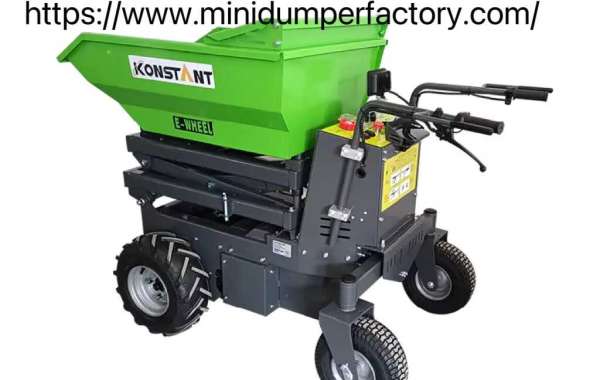
Mini Dumper Manufacturer discussions should begin with the buyer’s actual working requirements rather than a simple request for a quotation. Importers, distributors, construction contractors, landscaping businesses, and equipment retailers may have different expectations regarding machine dimensions, carrying capacity, power systems, unloading methods, and delivery arrangements. Asking specific questions before ordering helps both parties establish clear expectations and select a configuration suited to the intended application.
Which Model Fits Your Working Environment?
The intended application should be explained before discussing individual models. A machine used for transporting soil across a garden may have different requirements from equipment operating on a construction site or agricultural property.
Buyers should describe the materials they plan to move, the approximate transportation distance, ground conditions, access width, and frequency of operation. These details help the production team understand the working environment and discuss relevant configurations.
It is also useful to request overall dimensions, operating weight, ground clearance, and turning requirements. If the equipment needs to pass through narrow entrances or work in restricted areas, these measurements should be reviewed before an order is confirmed.
How Are Payload and Hopper Specifications Defined?
Carrying capacity deserves careful attention because different materials have different weights and handling characteristics. Soil, gravel, sand, bricks, and garden waste may require different loading considerations.
Ask for the rated payload and hopper dimensions of the selected model. Buyers should also clarify whether the stated capacity refers to weight, volume, or another specification. This distinction can help prevent misunderstandings during purchasing.
For businesses handling several types of materials, it may be useful to explain the expected workload and request information about available configurations. Equipment should be selected according to documented operating limits rather than assumptions based on appearance.
What Power and Drive Options Are Available?
Power systems and drive arrangements can influence how equipment operates in different environments. Buyers should ask about available engine or motor options, starting methods, transmission arrangements, and relevant operating specifications.
The drive configuration also deserves discussion. Depending on the model, buyers may need to compare tracked or wheeled arrangements according to ground conditions, access requirements, and transportation tasks.
For overseas customers, local fuel availability, maintenance resources, and replacement component access are also worth considering. Requesting technical documents can help purchasing teams compare available options with their market requirements.
Can the Equipment Be Customized for Your Business?
Customization may be relevant to distributors, rental companies, and private-label businesses. Before requesting modifications, buyers should ask which options are available and whether they influence order quantities, costs, or preparation schedules.
Possible requests may include body color, logo placement, product labels, selected accessories, packaging artwork, and documentation. Buyers should prepare clear instructions, reference images, or design files when discussing these requirements.
It is also important to confirm approved details in writing. A documented configuration gives both parties a shared reference during production and helps reduce confusion when reviewing the completed order.
What Inspection Procedures Should Be Discussed?
Product inspection should be included in the purchasing conversation before production begins. Buyers can ask which components and operating functions are checked, when inspections take place, and what records can be provided.
Depending on the agreed requirements, inspection points may cover machine dimensions, visible assembly details, control functions, unloading operation, accessories, and packaging condition.
For overseas orders, photographs, operating videos, inspection records, or other agreed materials may help buyers review progress without visiting the production location. The inspection scope should be clearly defined rather than left to assumptions.
How Are Spare Parts and Maintenance Information Supplied?
Equipment ownership involves more than the initial purchase. Buyers should ask about routine maintenance requirements, replacement component identification, parts diagrams, and the process for ordering additional items.
Distributors may also need to prepare a spare parts inventory for their local customers. Asking which components require periodic attention can help businesses plan storage and service arrangements.
Warranty coverage should be reviewed separately. Confirm the applicable period, covered components, claim procedure, and responsibilities for related expenses. Written information makes it easier for purchasing teams to communicate these terms to their own customers.
Which Shipping and Commercial Details Need Confirmation?
Before approving a quotation, review the product model, selected configuration, order quantity, accessories, customization costs, packaging method, payment schedule, and estimated preparation time.
International buyers should also discuss shipping responsibilities, package dimensions, loading arrangements, and required export documents. If the order has a target delivery date, communicate it during the quotation stage so the schedule can be discussed.
Any changes made after order confirmation should be recorded and approved by the relevant parties. This creates a clear reference for production coordination, inspection, and shipment preparation.
How Can Buyers Prepare a Clear Inquiry?
A detailed inquiry can make communication more productive. Prepare the intended application, material type, estimated load, working environment, preferred configuration, quantity, destination country, and customization requirements before contacting a supplier.minidumperfactory provides product information for businesses evaluating compact material transport equipment for construction, landscaping, agriculture, and related applications. Buyers can review available models, compare relevant specifications, and prepare questions according to their purchasing plans. Visit https://www.minidumperfactory.com/product/ to view the product range and discuss the requirements for a potential order.