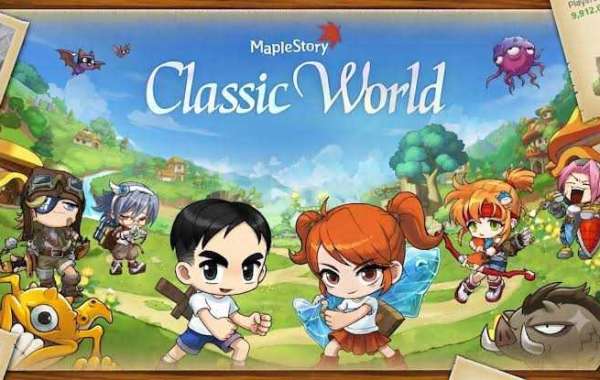
In MapleStory Classic World, MapleStory Classic World Mesos connect individual players through an economy shaped by hunting, crafting, equipment demand, and everyday trading decisions. The interesting part is that financial progress does not always come from defeating stronger monsters or finding exceptionally rare equipment. Sometimes it comes from recognizing the usefulness of an ordinary material, understanding what another class needs, or knowing when an equipment upgrade is no longer worth its asking price. These details give the player-driven economy much more depth than a simple system of earning and spending currency.
Why the Free Market Deserves Regular Attention
The Free Market is an important destination for anyone interested in buying or selling equipment. Its player-operated stores create an environment where different offers can be compared directly, and where market knowledge develops through repeated visits.
Unlike a centralized auction house, the traditional shop-based arrangement requires players to explore different rooms and inspect individual listings. This creates a more active shopping experience, but it also means that buyers need patience.
A player searching for a particular weapon might discover several alternatives with different attributes and prices. Someone looking for crafting materials may need to visit multiple stores before finding the required quantities.
Regular market visits can help players understand:
• Which equipment categories attract attention from different classes.
• Which crafting materials appear frequently in player stores.
• How much variation exists between similar equipment listings.
• Whether a particular item has several alternatives.
• Which purchases are worth postponing until a better offer appears.
The goal is not to memorize every price. It is to develop enough familiarity with the market to recognize when an offer deserves attention.
Understanding What Other Players Actually Need
Demand is closely connected to character progression. As players advance through different levels and job changes, their equipment requirements and resource needs also change.
A beginner might prioritize affordable weapons and recovery supplies. Someone developing a more advanced character may be interested in equipment with better attributes, useful scrolls, or materials for crafting.
These differences create several layers of demand within the same market.
Warriors may pay particular attention to suitable melee weapons and defensive equipment. Magicians have different priorities involving their equipment and MP management. Bowmen and Thieves also follow distinct equipment paths, meaning that a useful item for one class may have limited appeal to another.
Understanding these differences is valuable for both buyers and sellers. Buyers can avoid spending money on equipment that does not suit their build, while sellers can identify which players are most likely to appreciate a particular item.
How to Evaluate Equipment Before Spending
A common market mistake is judging equipment by its name or appearance rather than its practical attributes. An item may look impressive but offer little improvement over what the character already owns.
A better evaluation process starts with the character's actual requirements.
Check the level requirement: An upgrade that cannot be equipped for several levels may not be an immediate priority.
Compare relevant attributes: Attack power, defense, and other useful statistics should be considered in relation to the character's class and build.
Examine alternative listings: Similar items may provide better value at a different price.
Consider future progression: An expensive purchase becomes less attractive if another equipment milestone is approaching.
Protect the remaining budget: A major purchase should not leave the character unable to afford ordinary training supplies.
This final point is particularly important. Equipment improvements can make combat more comfortable, but they should not create a situation where the character cannot afford to continue training.
The Connection Between Monster Drops and Crafting
The market is not limited to finished equipment. Crafting materials are another important part of the economic cycle because players pursuing different professions need resources collected throughout the game.
Monster hunting therefore has value beyond experience and immediate currency drops. An ordinary training session might produce materials that contribute to a crafting project or interest another player.
However, collecting every available ingredient is not necessarily efficient. Players should understand which resources support their current objectives and which ones are simply occupying inventory space.
A practical approach is to establish a small collection plan:
1. Identify the profession or recipe the character wants to pursue.
2. Check the required ingredients before beginning extensive collection.
3. Separate useful materials from ordinary drops.
4. Compare the time required to gather materials with their available trading alternatives.
5. Reassess the plan when the character's equipment goals change.
This turns material collection into a more focused activity. It also creates a better connection between time spent hunting and the character's longer-term objectives.
Managing Market Risks and Trading Restrictions
A functioning player economy requires more than buyers and sellers. It also depends on players understanding the rules that govern transactions.
MapleStory Classic World supports ordinary exchanges through its in-game trading features and player shops, but external real-money currency transactions are subject to restrictions. The game's Debt System can impose financial and trading consequences on accounts associated with prohibited activity or illegitimately obtained currency.
This makes transaction awareness especially important. Players should never share account credentials, accept suspicious payment arrangements, or assume that an external offer is permitted simply because it is advertised online.
U4GM offers a recognizable storefront for people researching game-related services, with product information presented for browsing. Nevertheless, players should independently examine current game policies and account risks before considering external transactions. Protecting an established character is more important than making a rushed purchase.
Why Inventory Management Is Part of Market Strategy
Inventory space is easy to overlook when discussing financial progress, but it affects almost every stage of gameplay.
A character that carries too much unnecessary equipment has less room for newly collected materials and useful drops. Frequent trips back to town can also interrupt hunting and reduce the time available for other activities.
A consistent inventory routine helps solve this problem. Review collected equipment after a training session, separate crafting ingredients from unwanted drops, and keep only items that support a realistic progression goal.
Storage can also help organize resources that are not immediately needed. Rather than repeatedly collecting the same materials or selling them without consideration, players can maintain a clearer picture of what they already own.
These small improvements make the character easier to manage and reduce unnecessary interruptions.
Developing a Better Understanding of the Economy
The most experienced market participants are not necessarily the players who make the largest purchases. They are often the ones who understand how different parts of the game influence each other.
Monster drops create resources, crafting gives those resources additional purposes, and the Free Market connects players with different needs. Equipment decisions then influence how comfortably characters can continue hunting and progressing.
For anyone researching MSCW Mesos, this relationship is worth understanding before making financial decisions. Learning how the market operates, recognizing useful materials, and evaluating equipment according to actual character needs can make the entire MapleStory Classic World experience more rewarding.