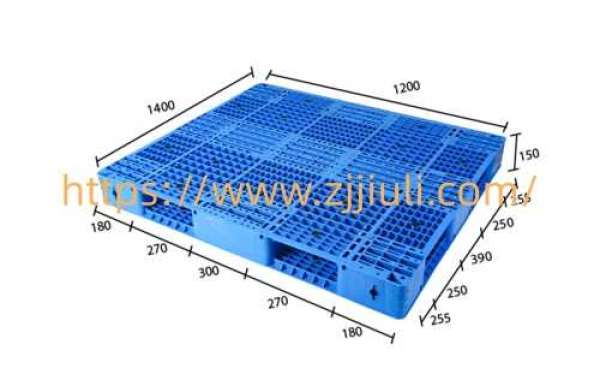
Grid Pallet design has become an interesting consideration for businesses looking to improve warehouse organization and material handling. While many purchasing decisions focus on storage capacity and product durability, structural design also deserves attention. An open surface can influence ventilation, cleaning access, and the way goods are arranged in different working environments. Understanding these details helps businesses evaluate whether this type of product matches their operational needs.
One important feature of an open structural design is airflow. Unlike a completely closed surface, a lattice arrangement allows air to move through its openings. This can be useful in certain storage environments where ventilation is part of the handling process. Businesses dealing with agricultural products, packaged goods, and materials that require air circulation may consider this feature when comparing different storage options.
Material selection is another important part of purchasing decisions. Plastic manufacturing commonly involves materials such as high-density polyethylene and polypropylene. Each material has different characteristics relating to flexibility, impact resistance, chemical compatibility, and temperature conditions. Buyers should discuss their intended applications with manufacturers before selecting a material. The choice should reflect the working environment rather than general assumptions about plastic products.
Manufacturing technology also influences the final product. Injection molding allows manufacturers to create detailed structural patterns and integrated supporting features. The arrangement of ribs, openings, and connecting sections can affect how a product performs during regular handling. Consistent production processes also matter when businesses need multiple units for different warehouse locations.
Another interesting aspect is the relationship between product structure and cleaning routines. Open surfaces may allow water and cleaning solutions to pass through certain areas more easily. However, the actual cleaning process depends on the design, contamination type, and available equipment. Businesses should inspect both the upper and lower surfaces and consider how products will be washed, dried, and stored after cleaning.
Choosing suitable warehouse equipment also requires an understanding of the goods being handled. Small packages, irregular items, and products with different base structures may require additional packaging or securing methods. Buyers should evaluate whether the openings are compatible with their cargo and whether the supporting surface provides appropriate contact. This is particularly important when products move frequently between storage and transportation areas.
Handling compatibility deserves equal attention. Warehouses may use forklifts, pallet trucks, conveyors, or automated guided vehicles as part of their daily operations. Different equipment has different entry and support requirements. Before purchasing, businesses should explain their handling methods and storage arrangements to the supplier. This helps ensure that the proposed design is suitable for the intended working conditions.
Storage planning can also influence the selection process. Some facilities prioritize ventilation, while others focus on stacking arrangements, accessibility, or integration with existing warehouse systems. A product should be evaluated according to the complete workflow rather than a single feature. Reviewing the relationship between equipment design and the facility layout can help businesses make more informed decisions.
Visual design is another consideration that often receives less attention. A structured surface gives the product a distinctive industrial appearance while providing an organized supporting pattern. Different configurations can suit different handling requirements. Businesses can compare single-faced and double-faced designs according to their storage practices, transportation arrangements, and expectations for repeated use.
Maintenance planning is equally relevant. Regular inspections can help employees identify cracks, damaged sections, or other conditions that may affect handling. Cleaning procedures should also account for the actual material and operating environment. Asking manufacturers for appropriate maintenance guidance can help purchasing teams establish consistent procedures across their facilities.
Zhiguang specializes in plastic products for warehousing, logistics, and commercial applications. Its product range includes different structural designs, giving businesses options when reviewing equipment for their operational environments. The company also supports customized manufacturing requirements, allowing customers to discuss product applications and design preferences with its team.
As warehouse management continues to develop, purchasing teams need to look beyond the basic appearance of their equipment. Ventilation, material compatibility, cleaning access, handling methods, and storage arrangements all contribute to a suitable selection. Businesses interested in plastic manufacturing and practical warehouse products can visit https://www.zjjiuli.com/ to view Zhiguang and its product range, helping them identify options that align with their logistics and storage requirements.